Product
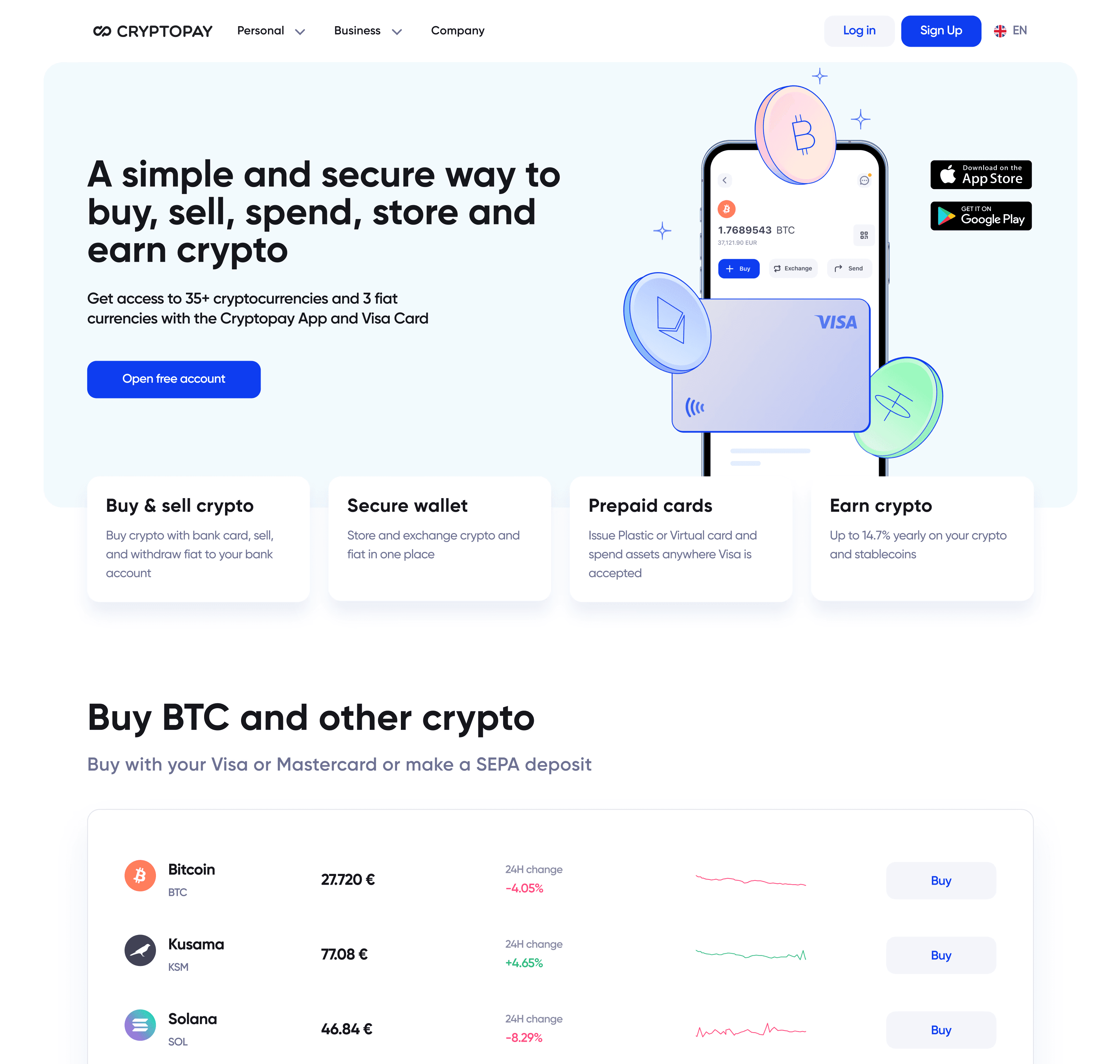
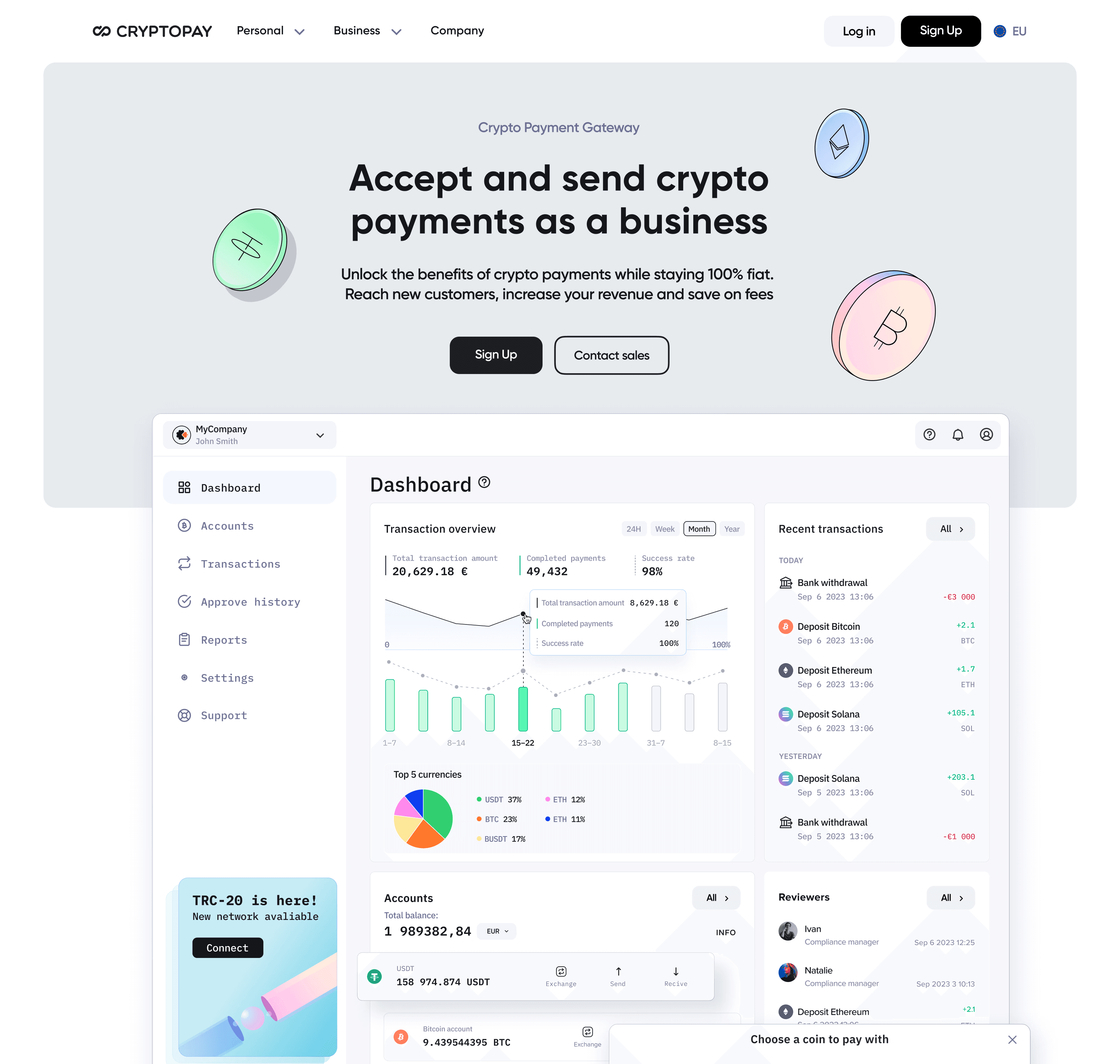
The company site has to directions Customer and Business. Customer is the application
and the card. Business is a dashboard includes mass payouts, payment widget, API and other opportunities for crypto payments.
Task
•
Redesign the company website
•
Update the visual language
•
Implement a design system
Success criteria
•
Growth of B2C registrations
•
Growth of the B2B registrations
•
Improvement of the TTM
My role
•
I designed the design system
•
Designed a new layout
•
I drew the entire UI and pages
•
Helped with the texts
•
Collected the first bundle of illustrations.
•
Threw hypotheses into the backlog
Goals
Conversion
to registration
+34%
Customer
Conversion
to registration
+23%
Business
TTM
-37%
Problems
The old site was outdated: low conversion to requests, poor code base, lack of DS and statistics all these aspects blocked further work on it, so it definitely had to be redisigned!
The task included the draft of the future concept: short description
of the all pages, as well as a raw version of the design. After reviewing all the data, I conducted a review, identifying the main issues that require fixes and collaborative solutions with the team and the PO.
Issues
V 1.0
Low conversion to registration
Minimum description of services
Poor structure
Weak SEO optimization
Lack of metrics
Outdated design and visual language
Lack of design system
Customer main
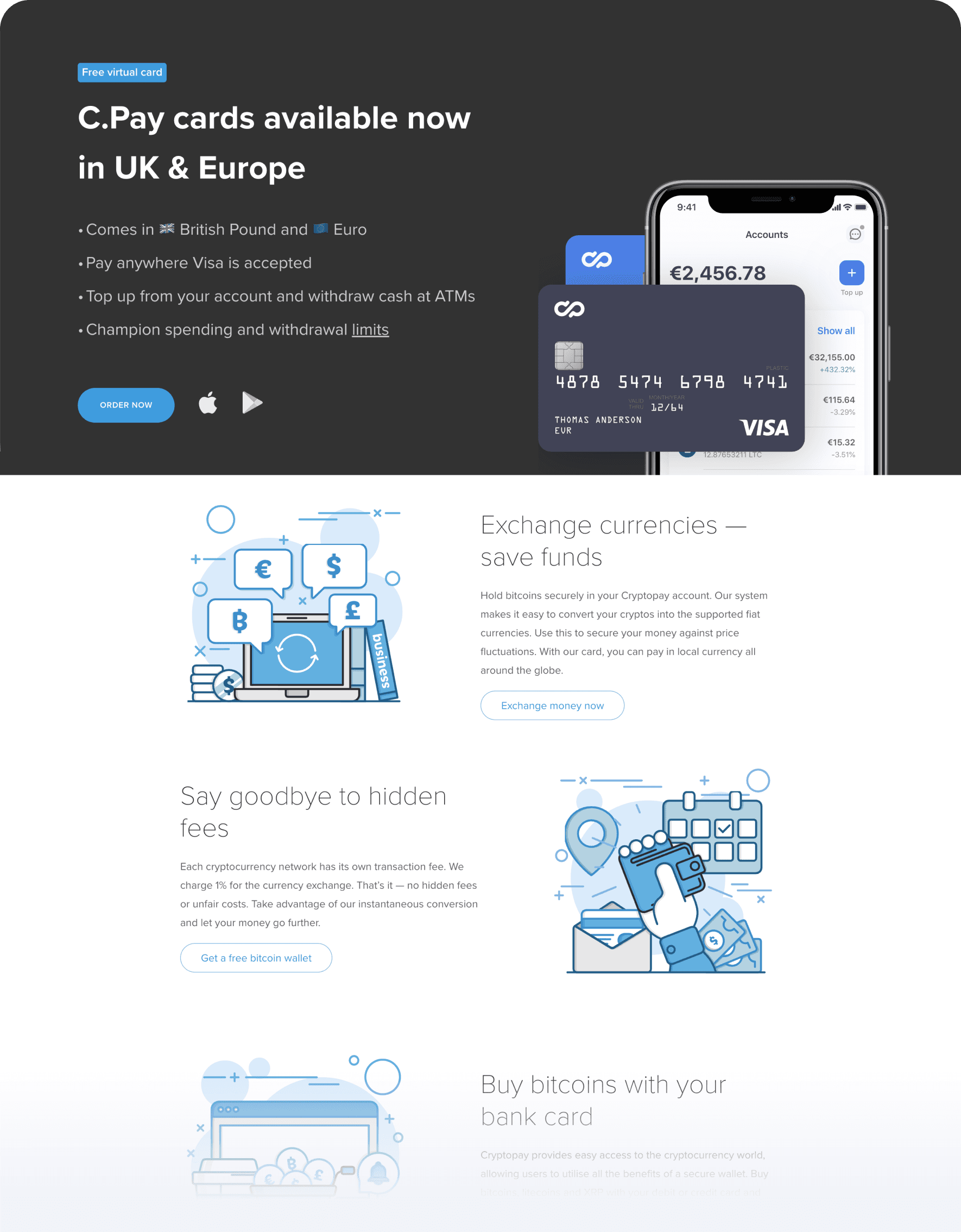
AS IS
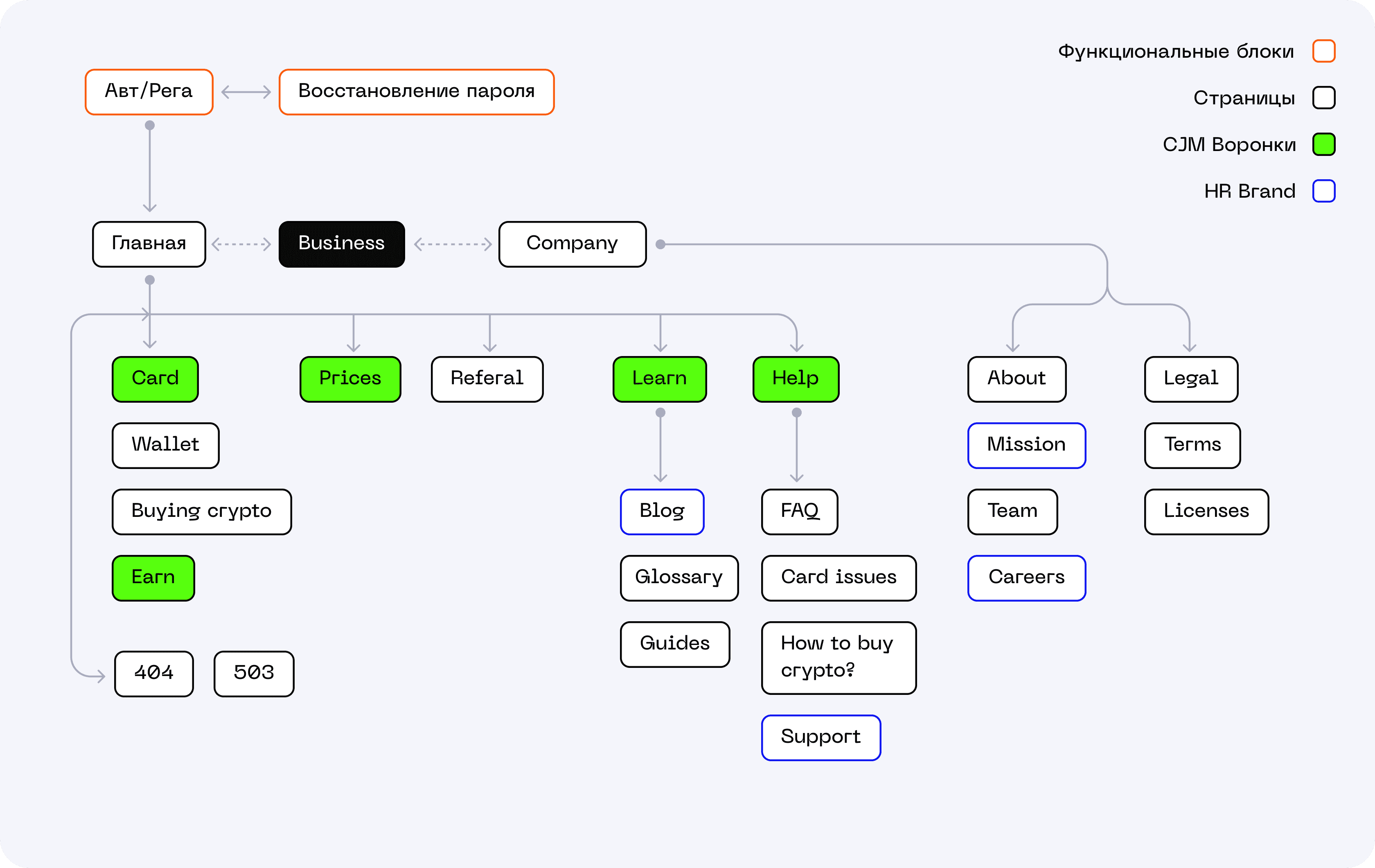
Sitemap
First, we created a sitemap to determine the structure for ourselves and understand the connections between pages.
Kamil
Artem
Pasha
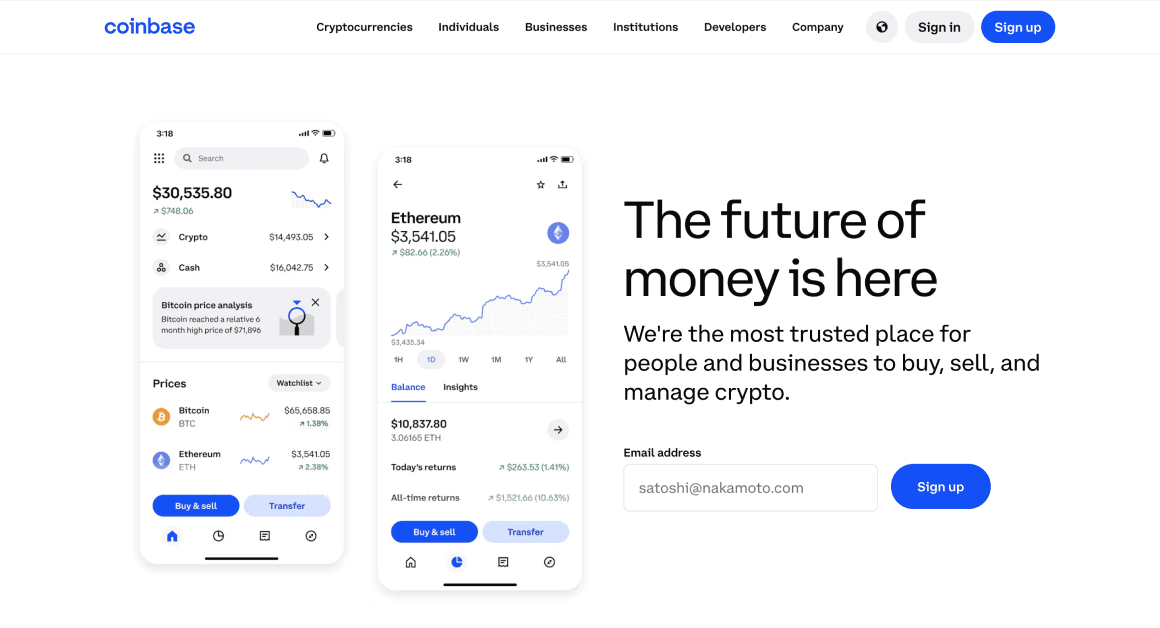
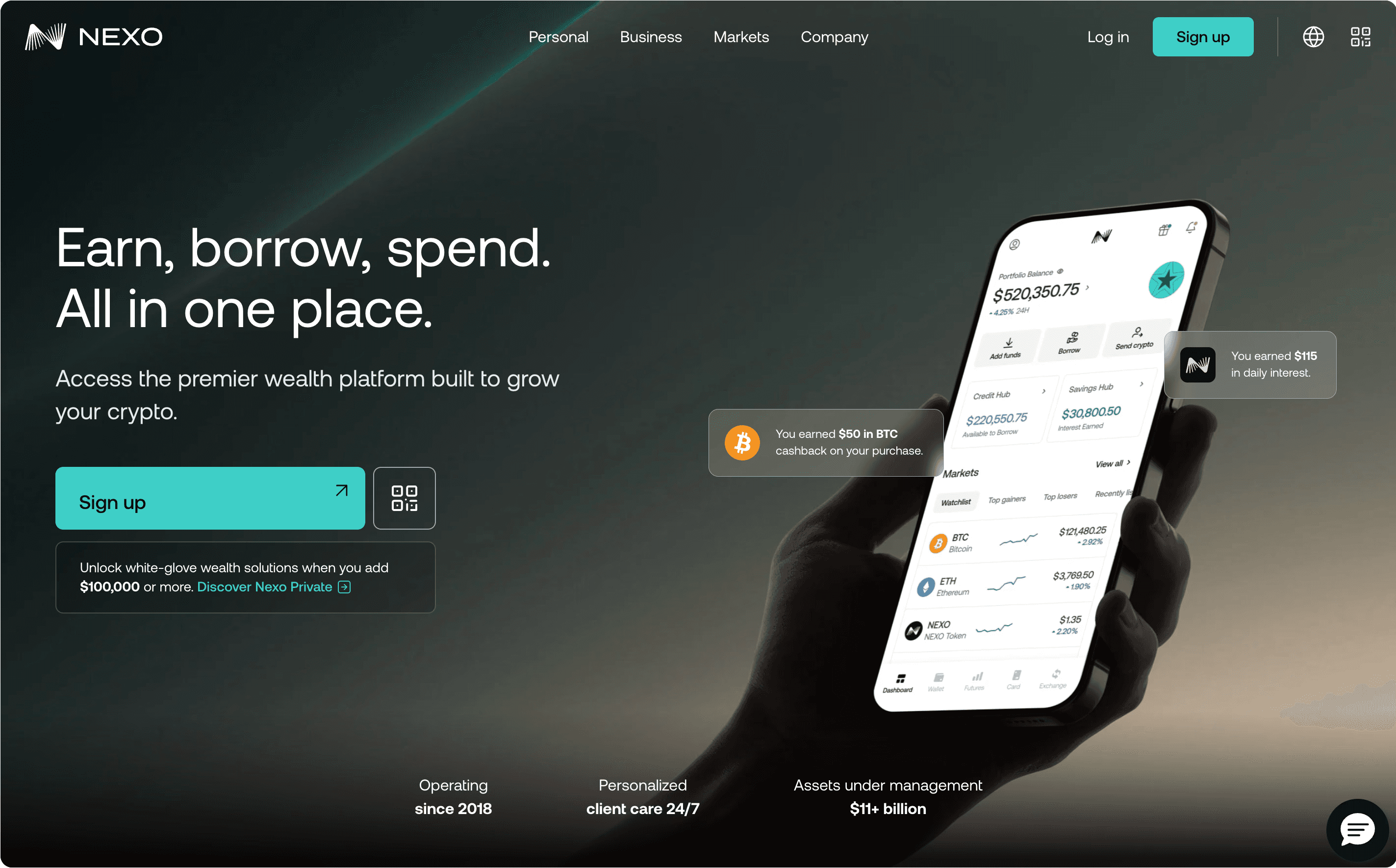
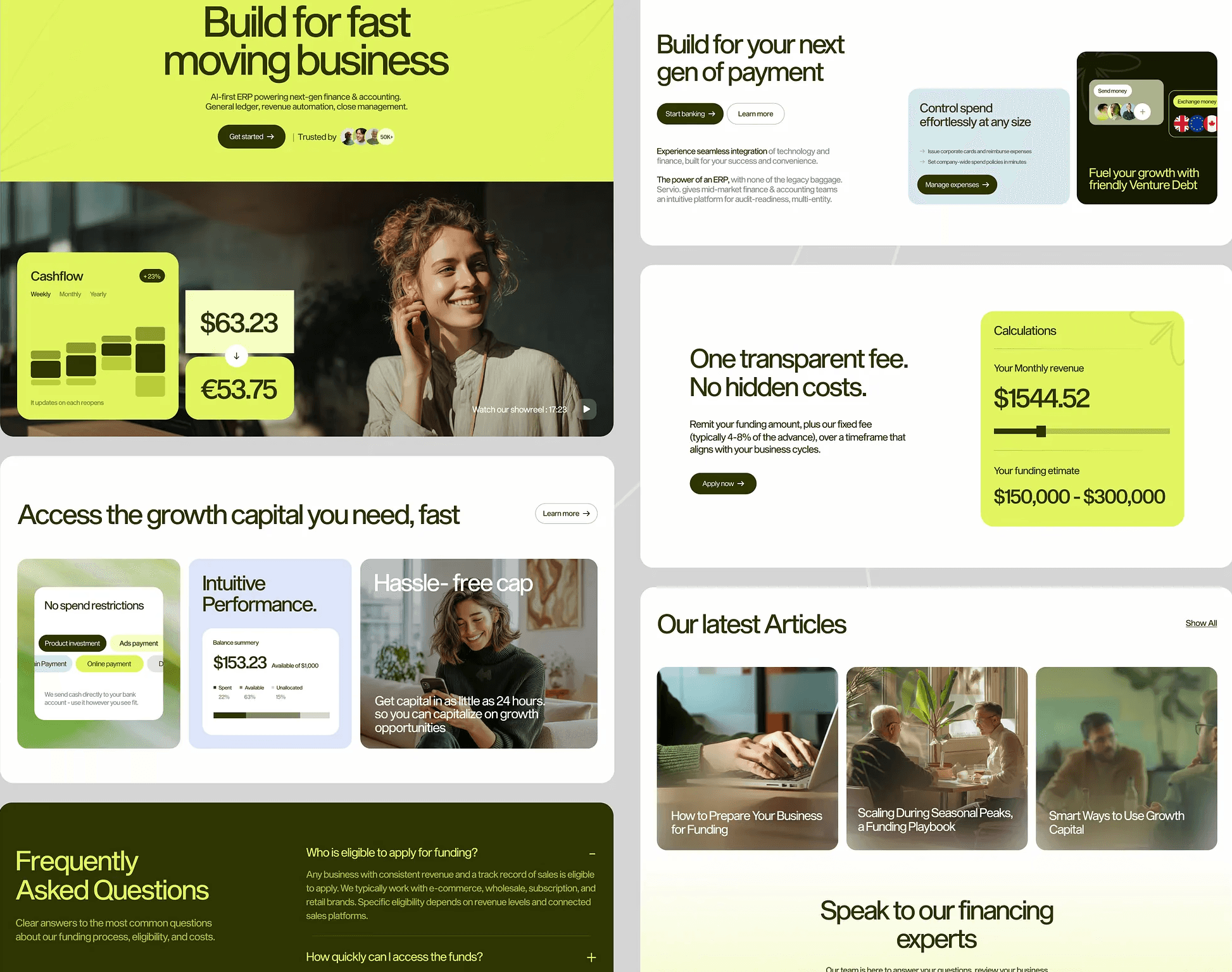
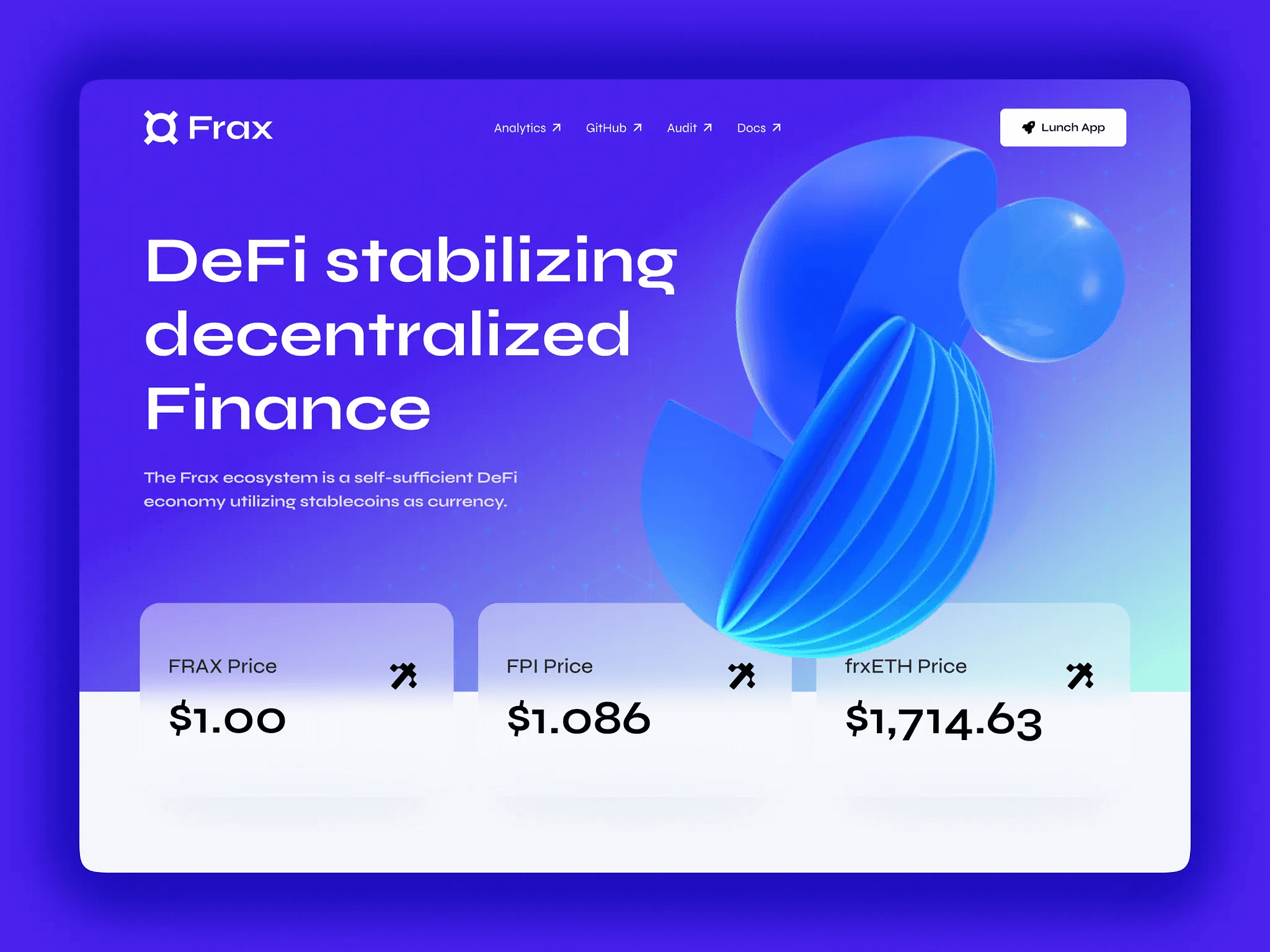
Mood board
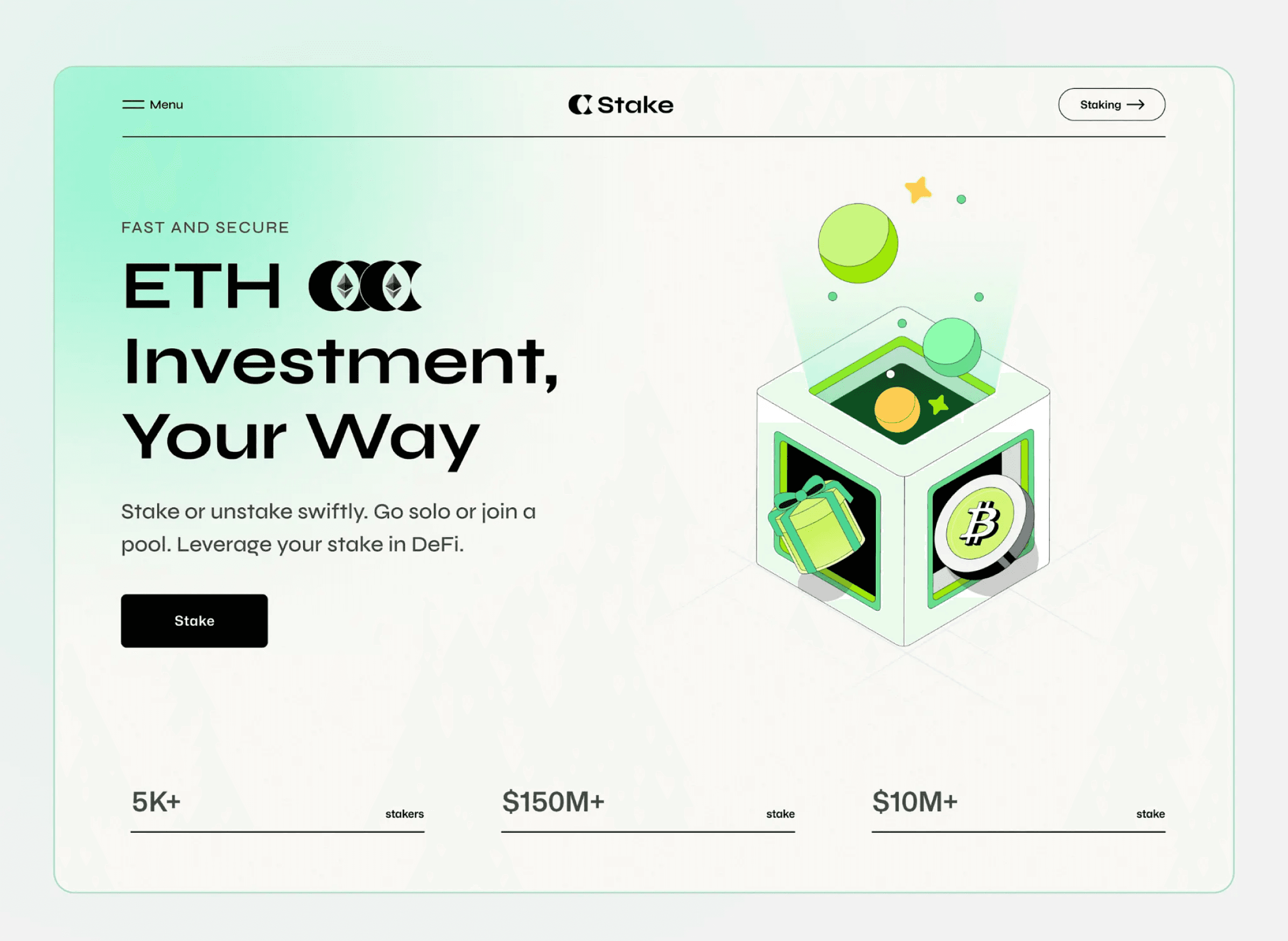
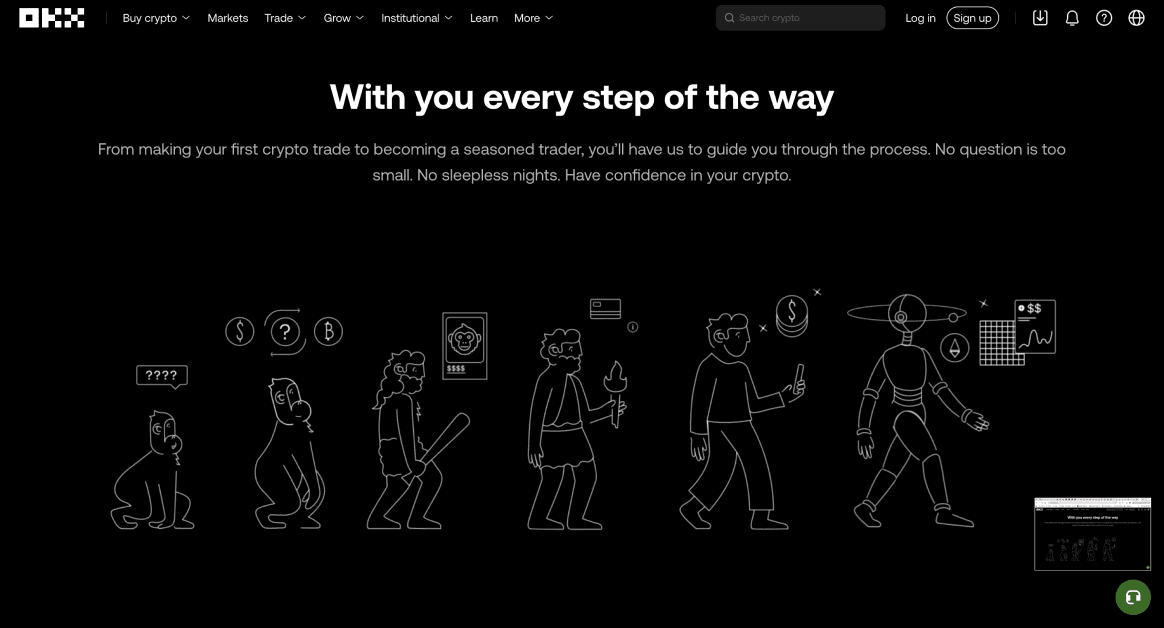
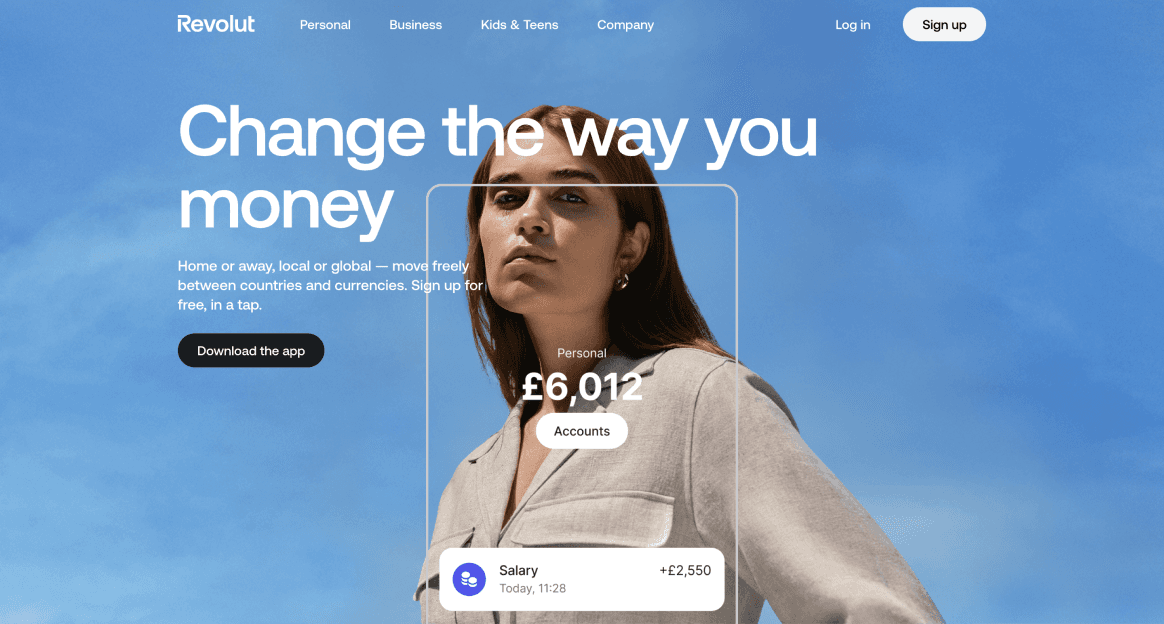
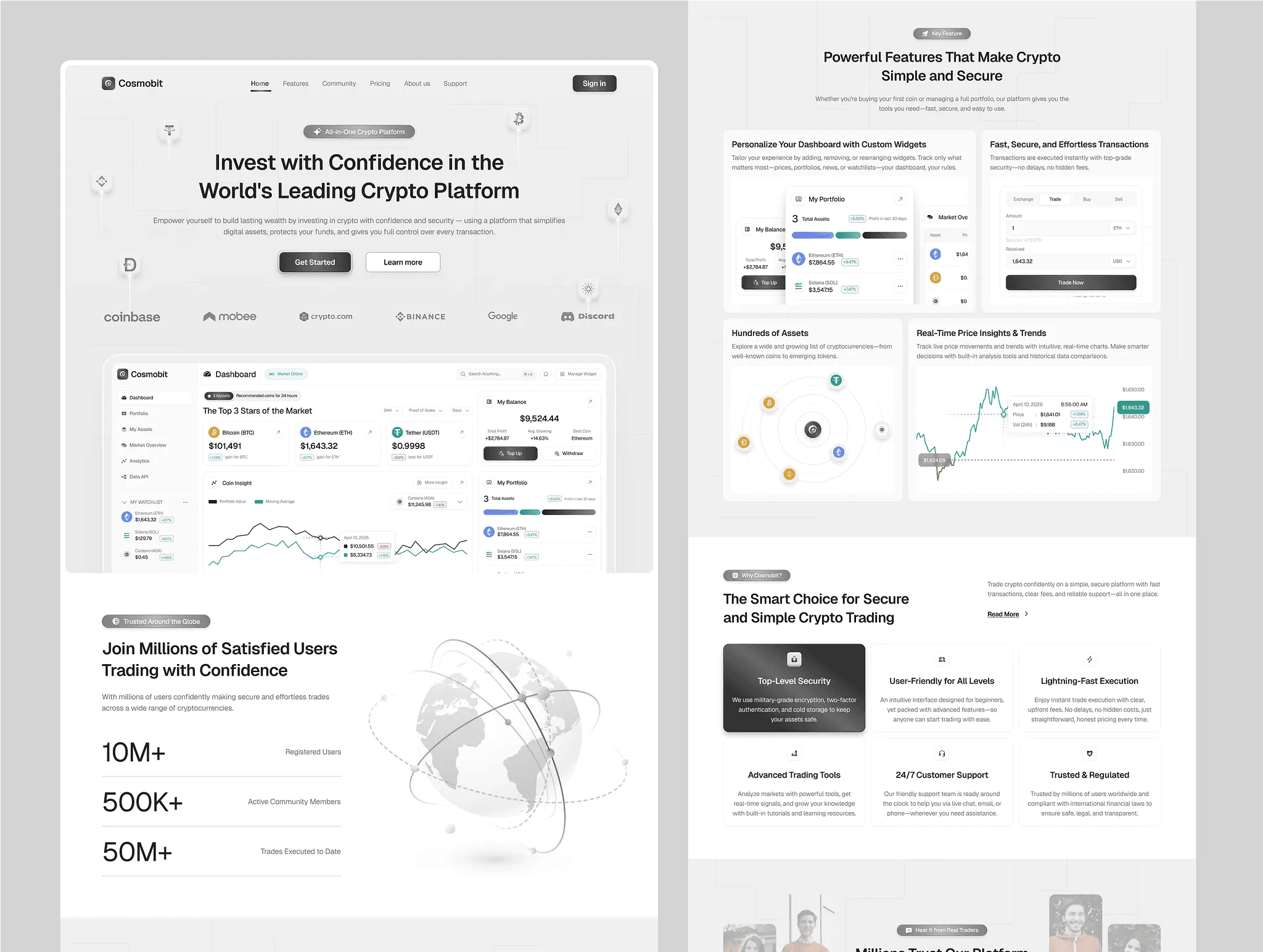
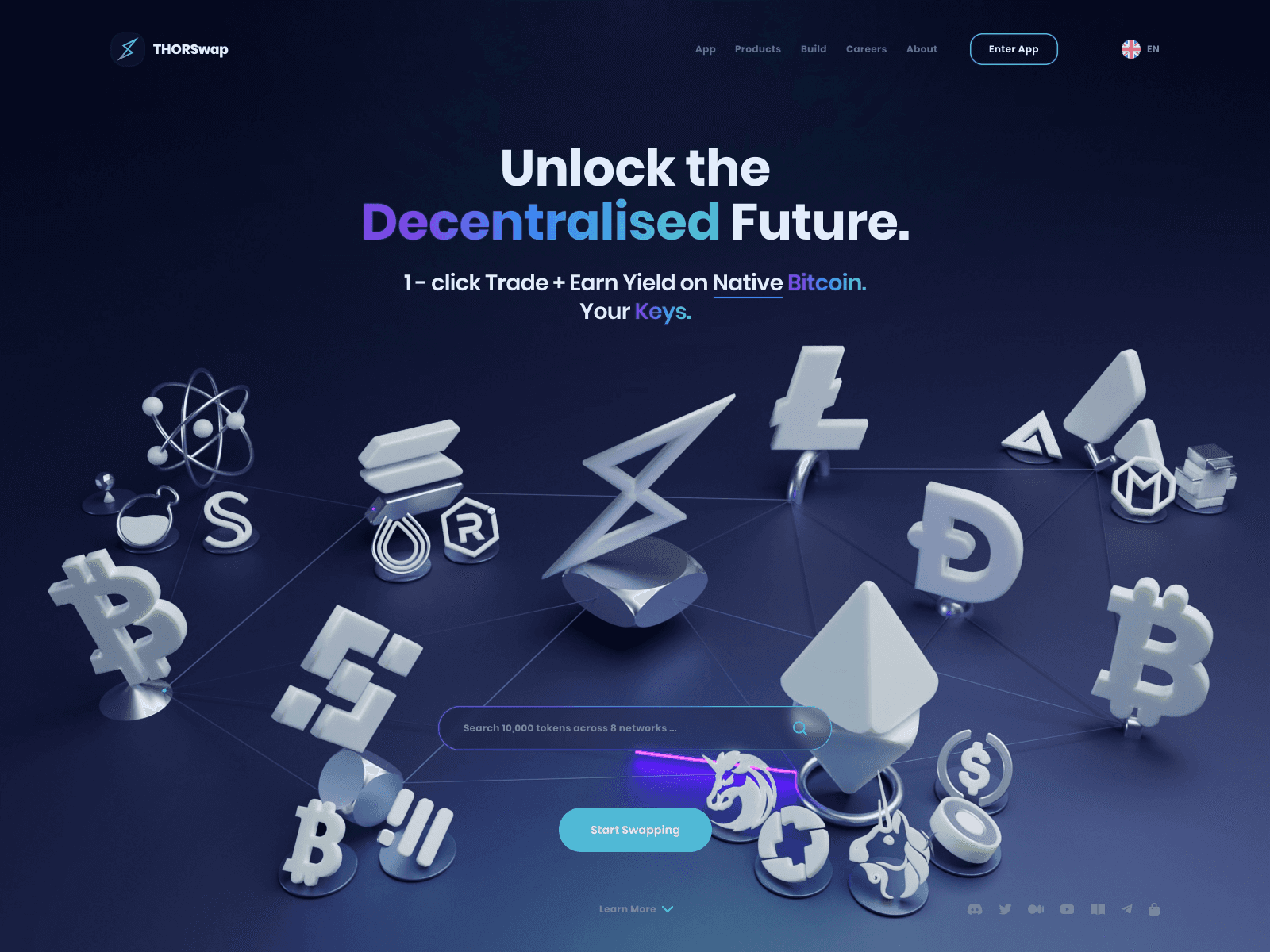
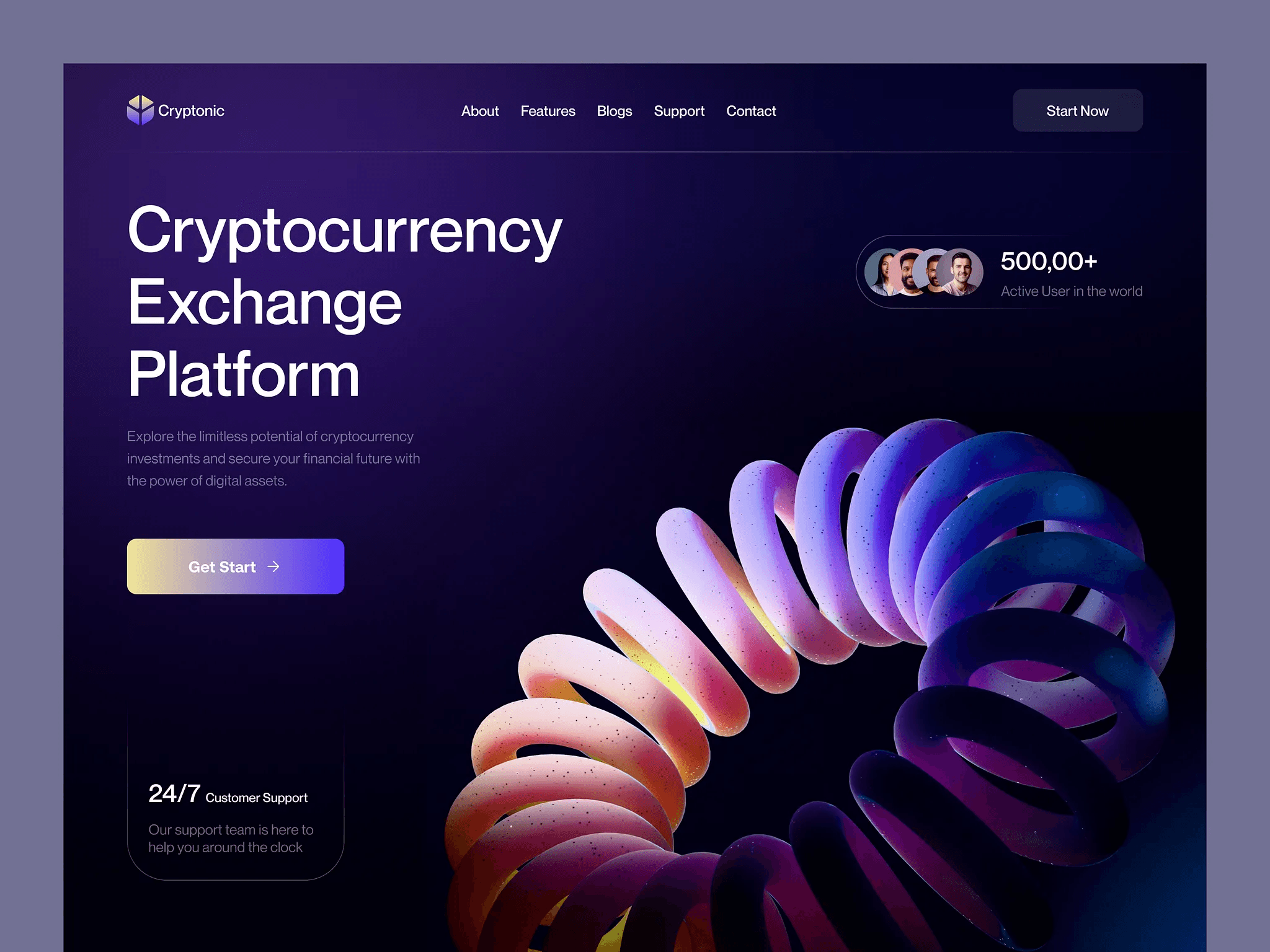
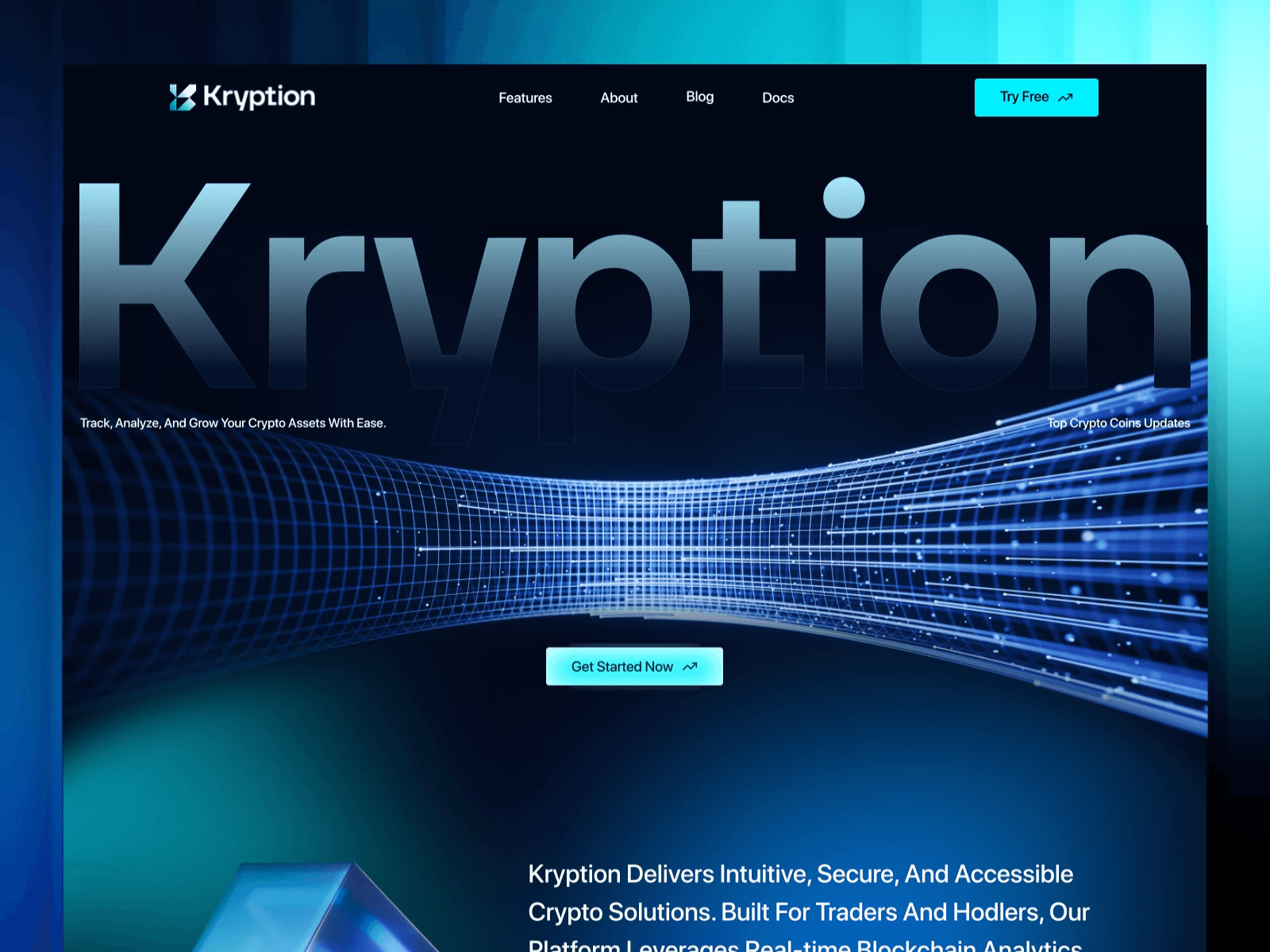
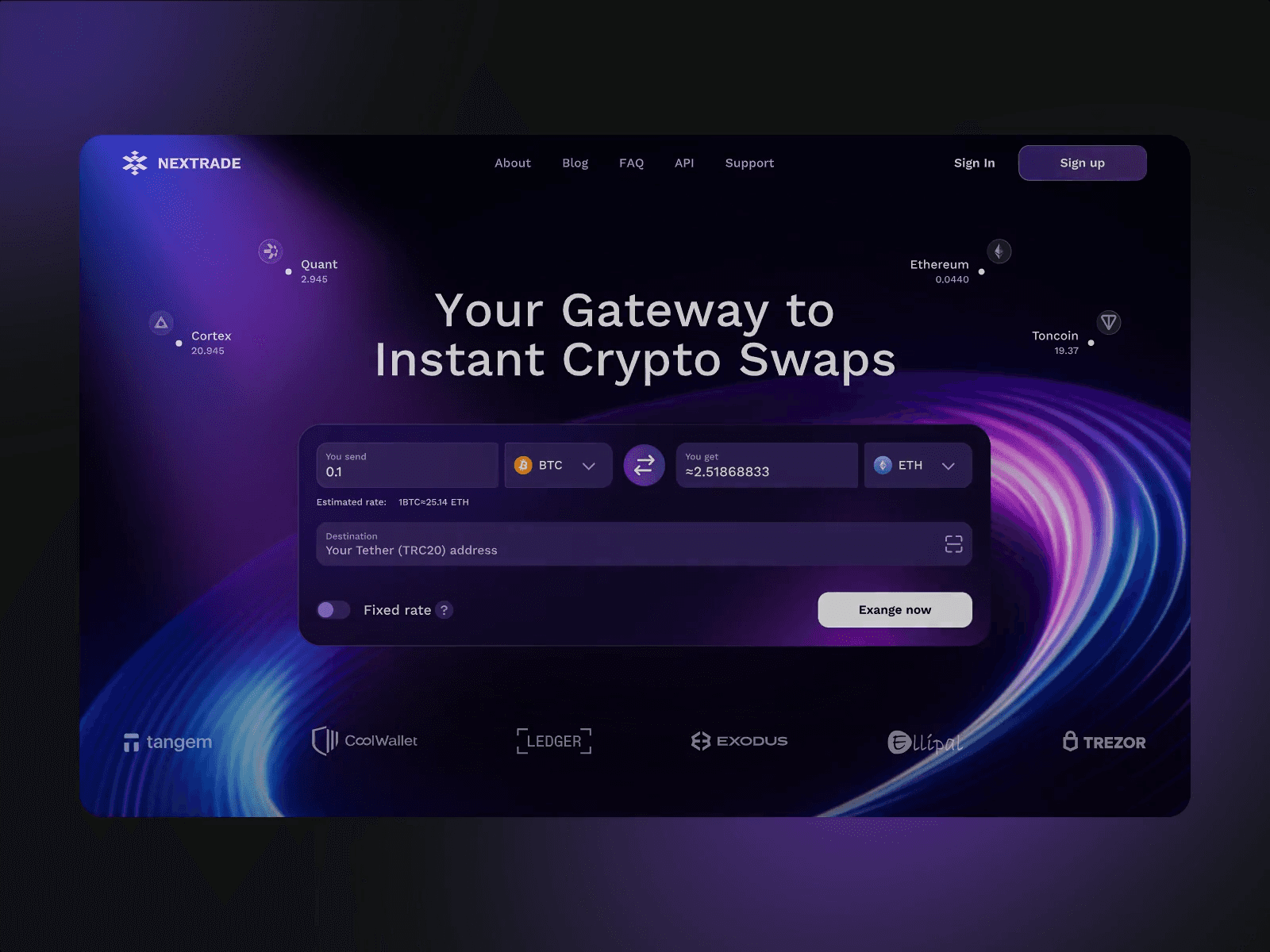
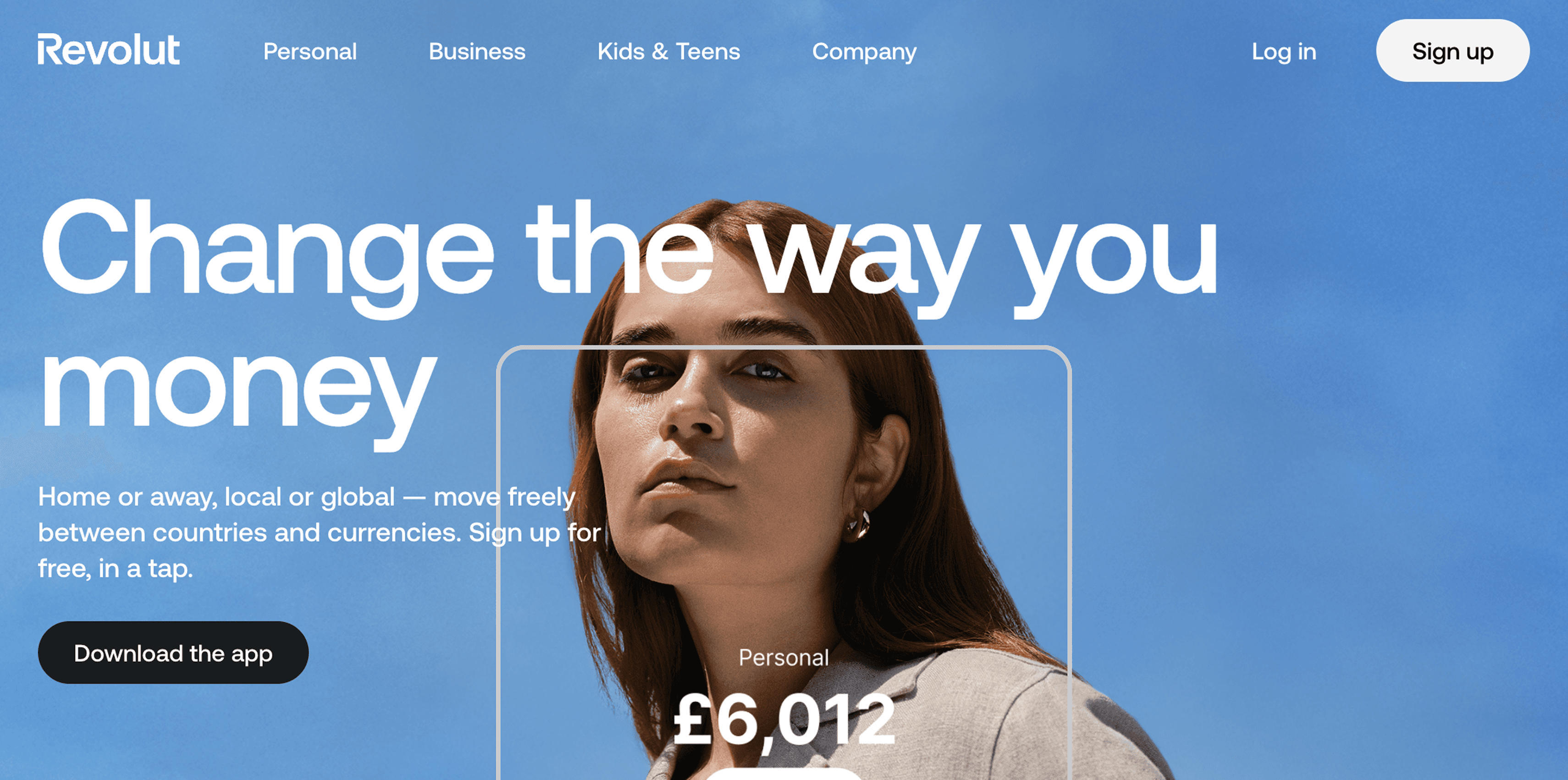
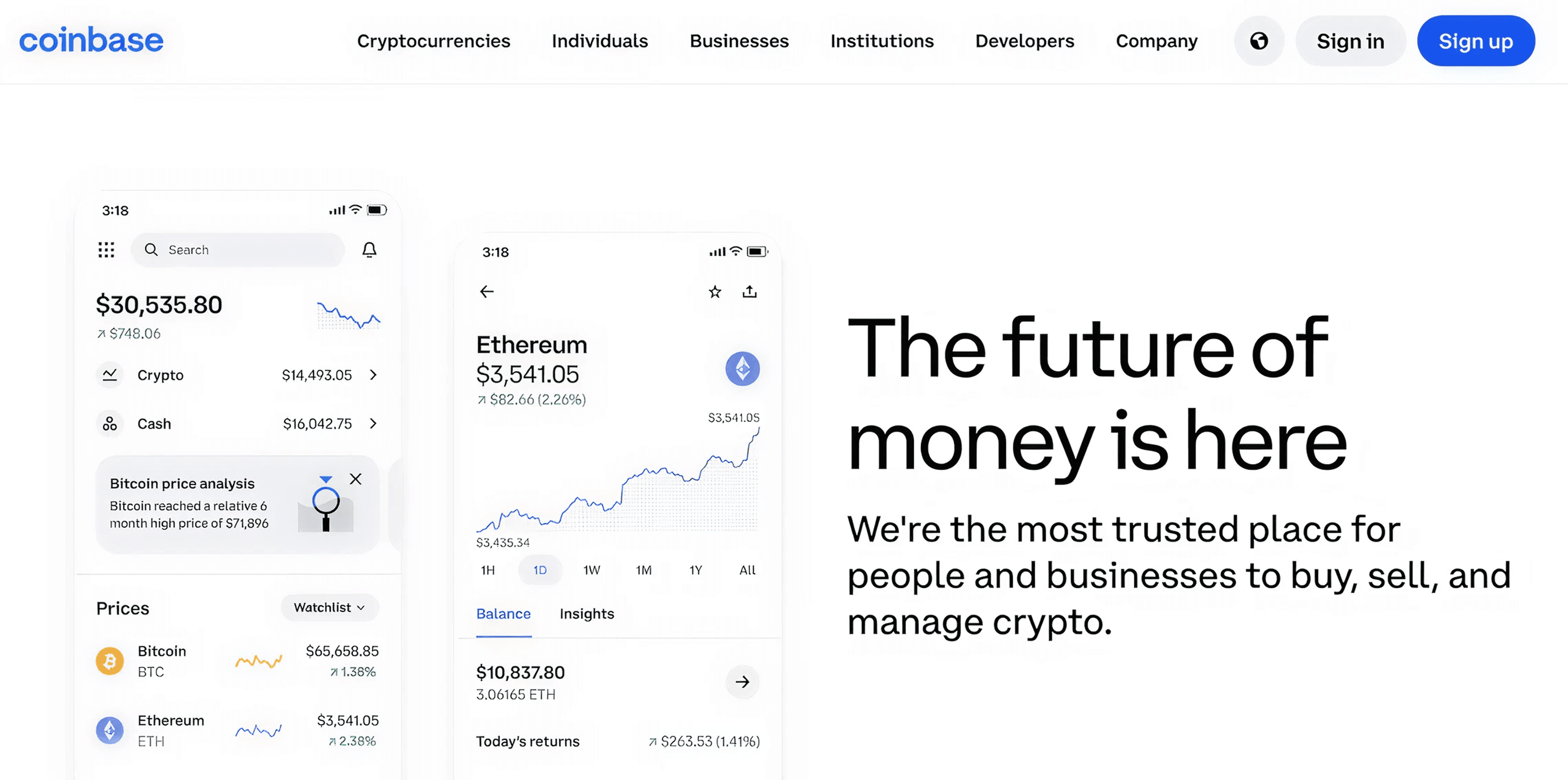
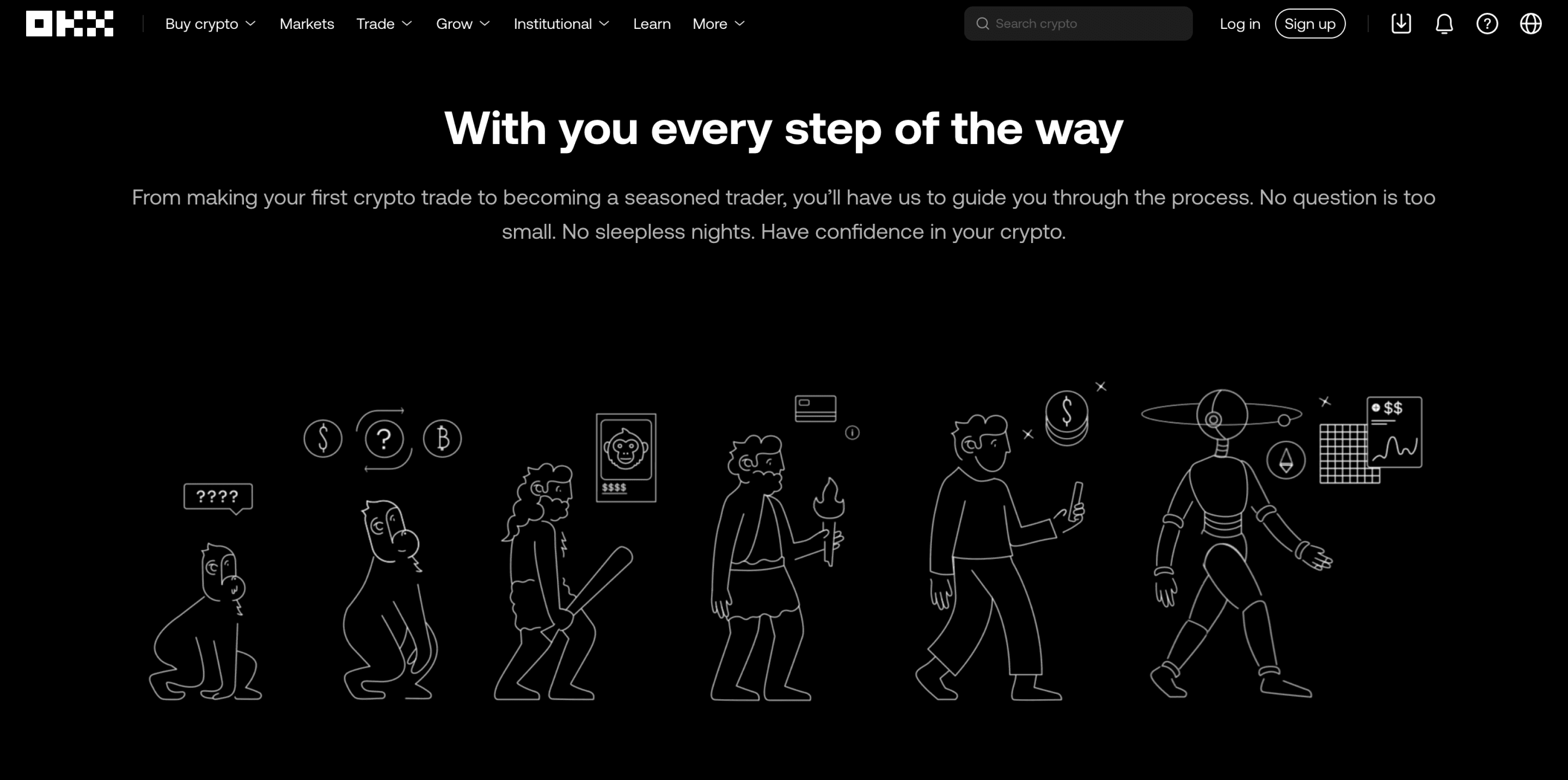
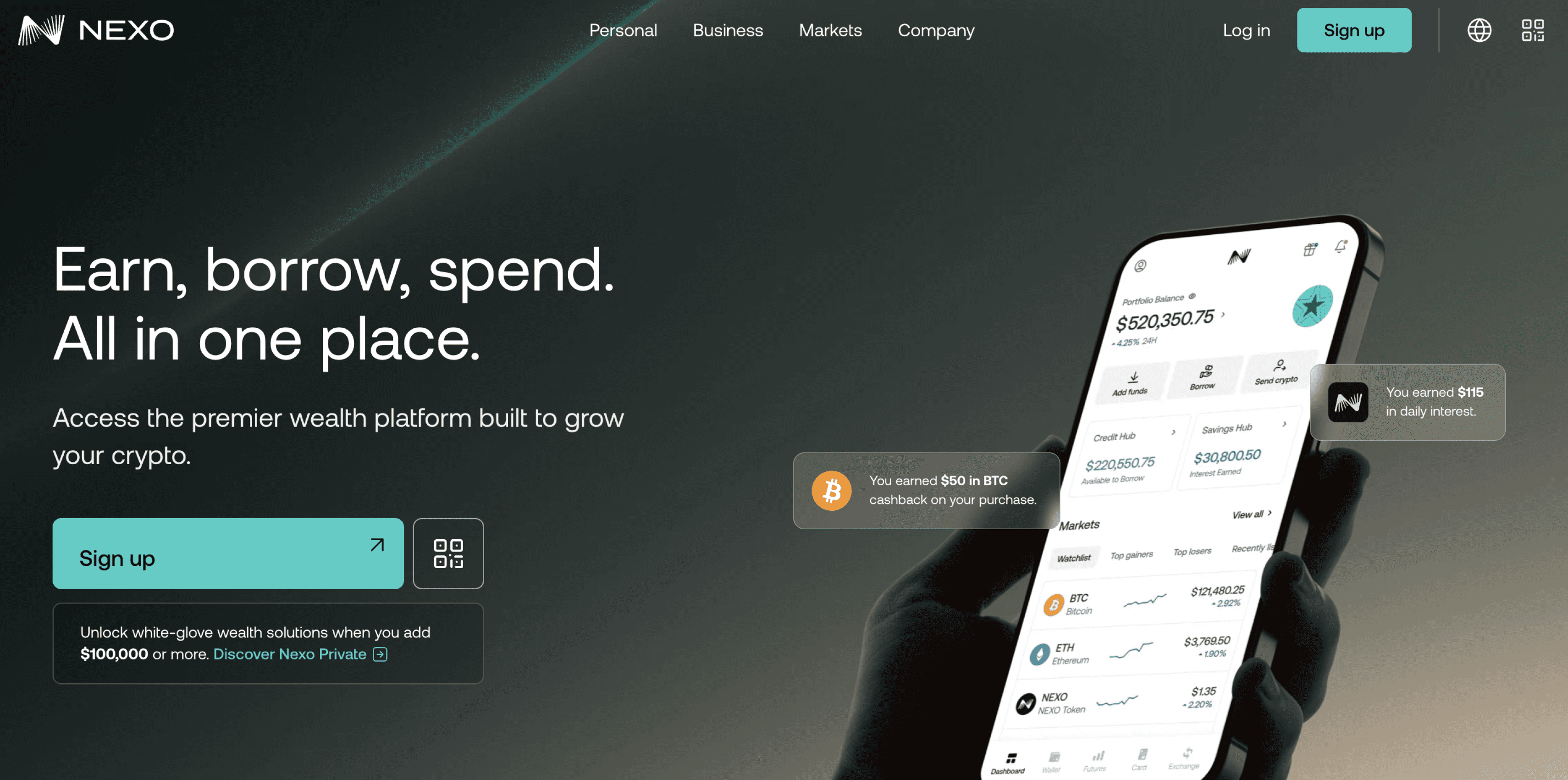
After developing and approving the sitemap I started looking for a future reference for the new visual aesthetics and design code.
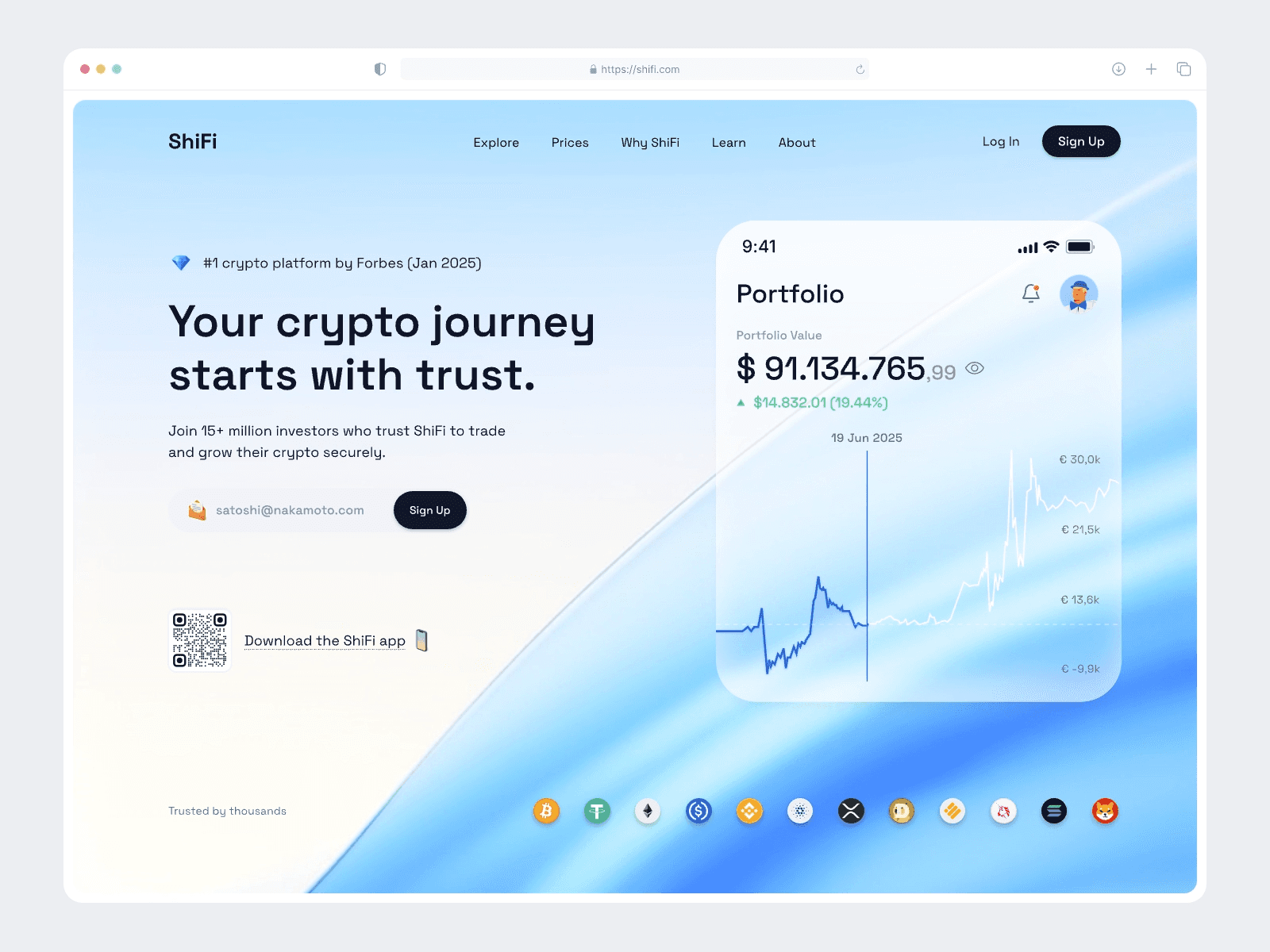
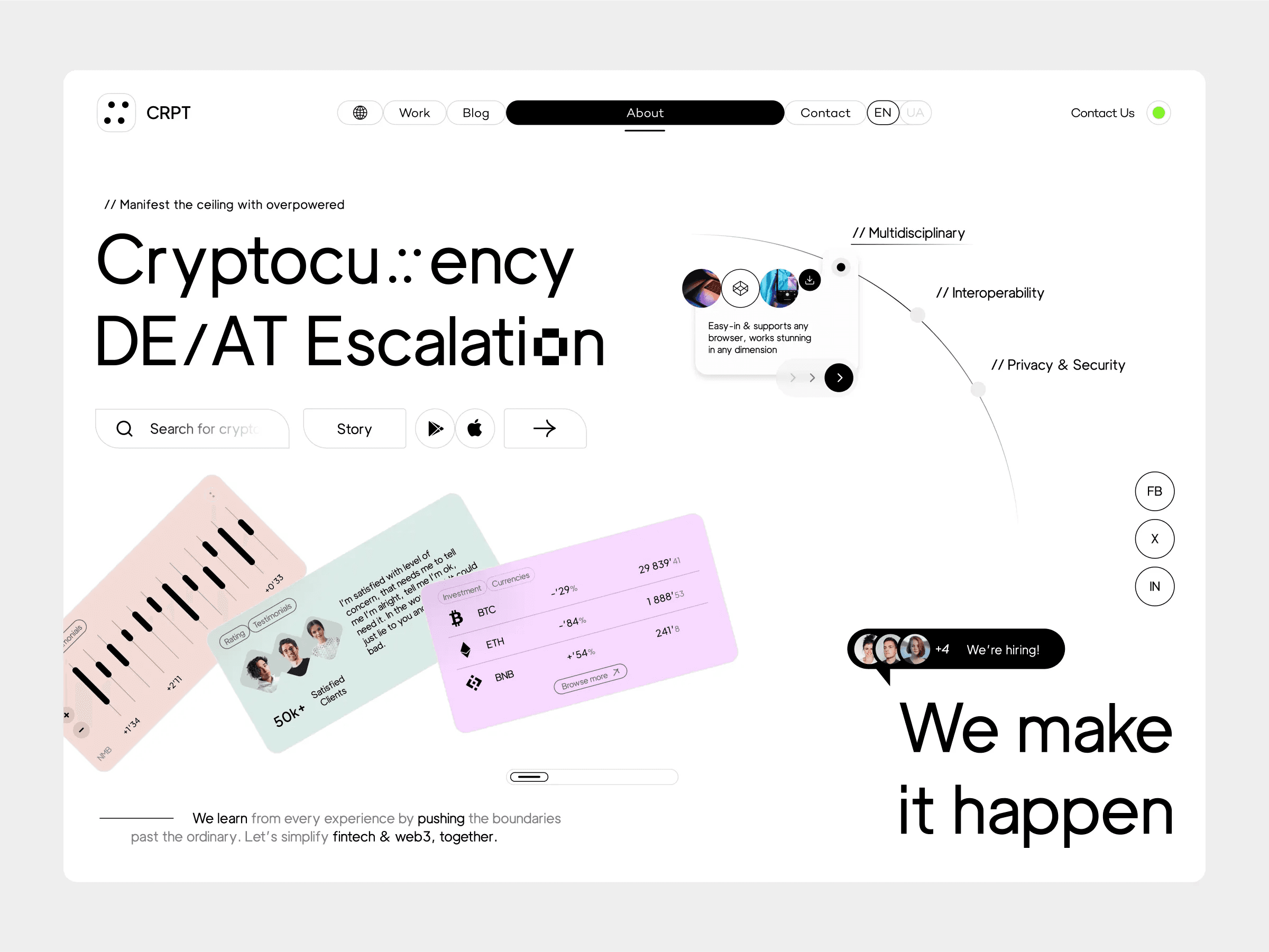
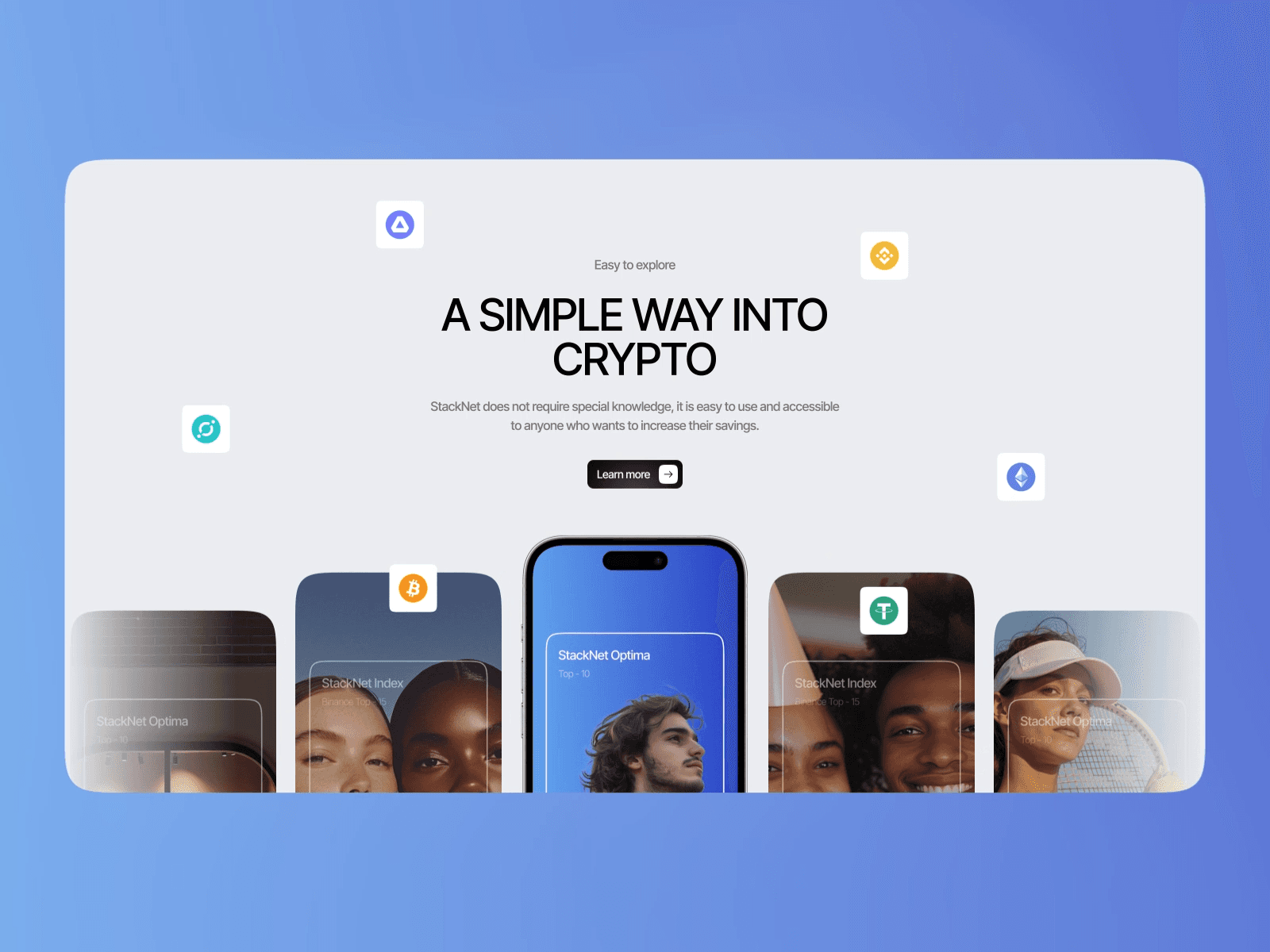
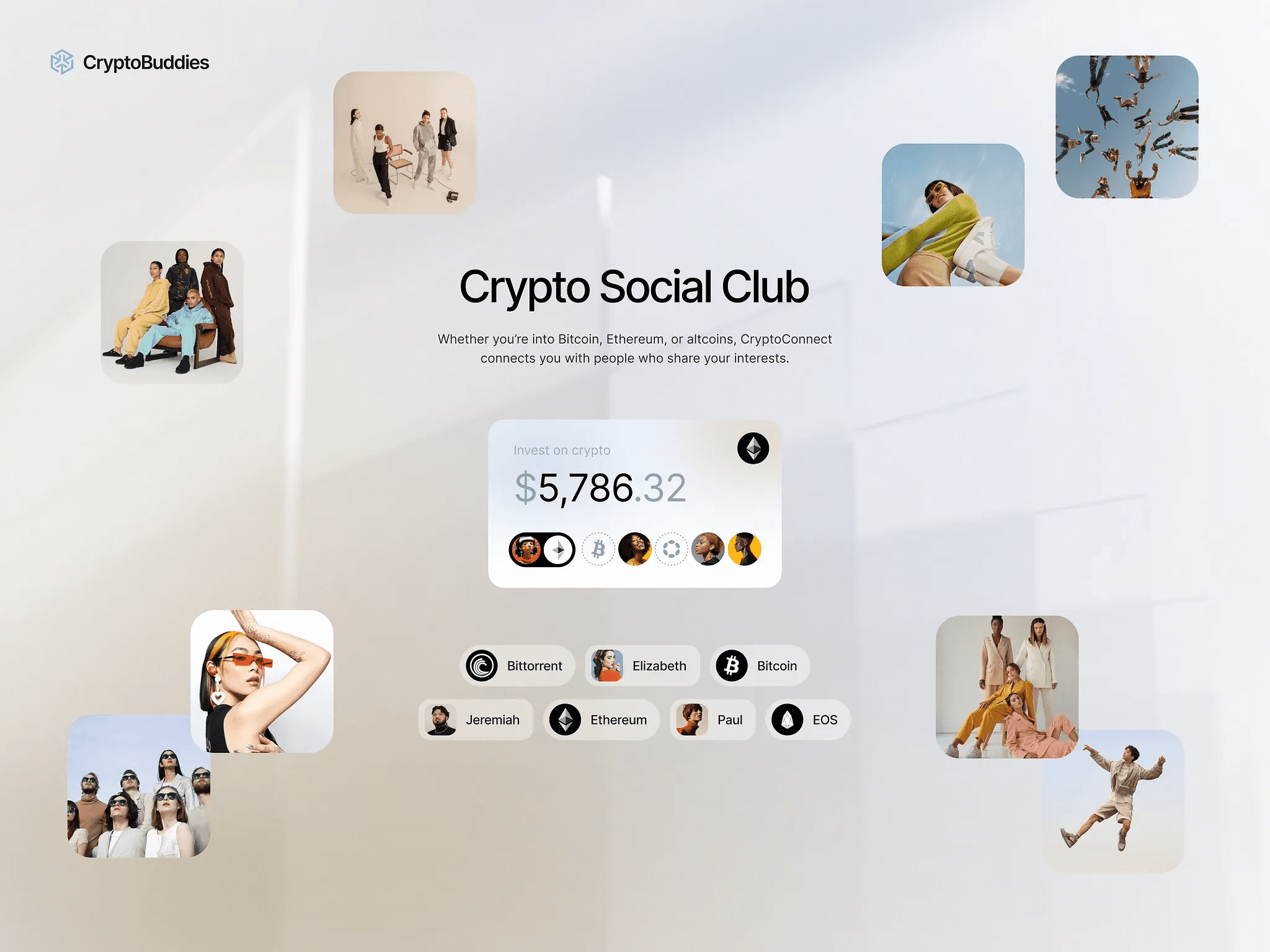
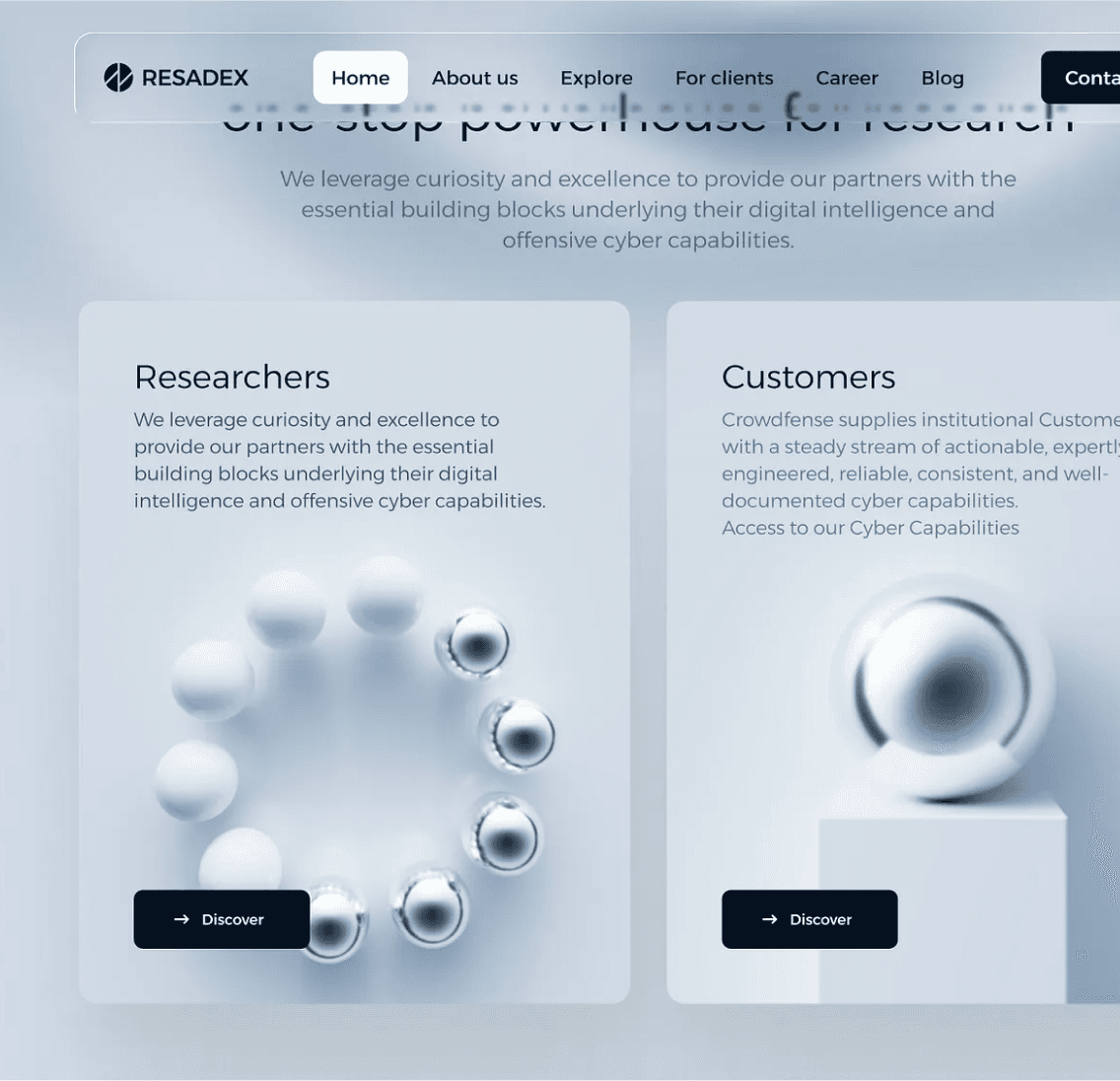
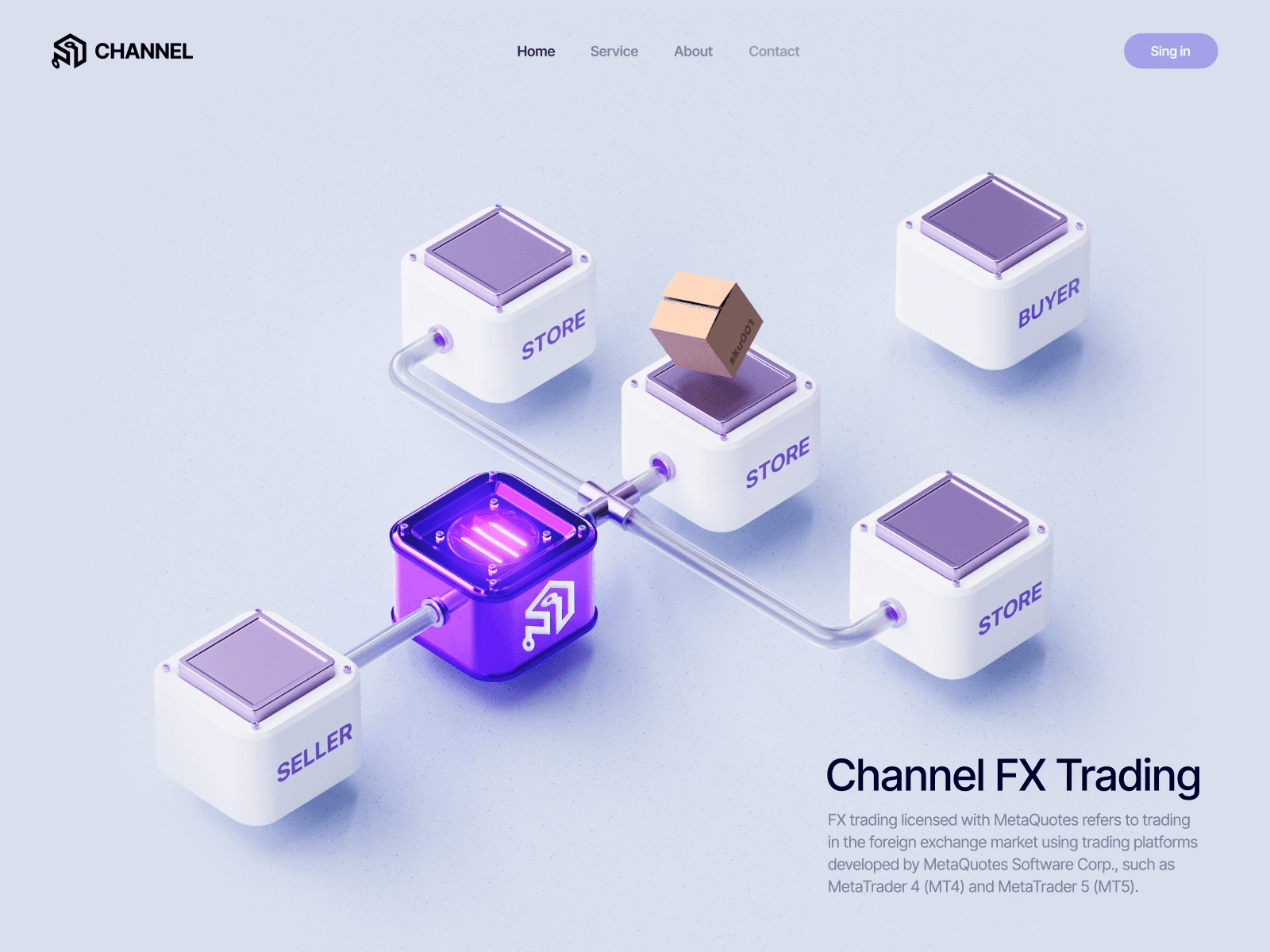
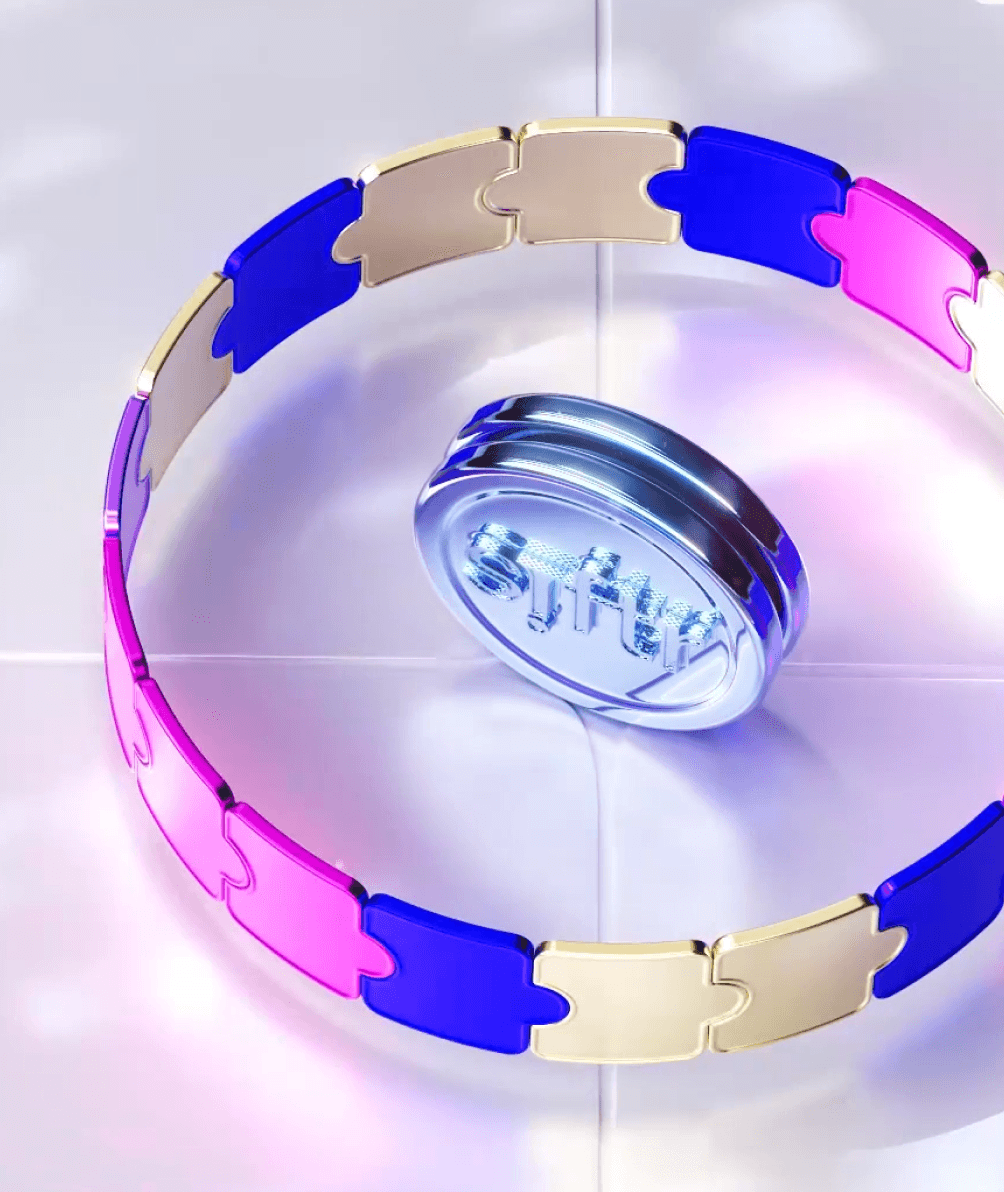
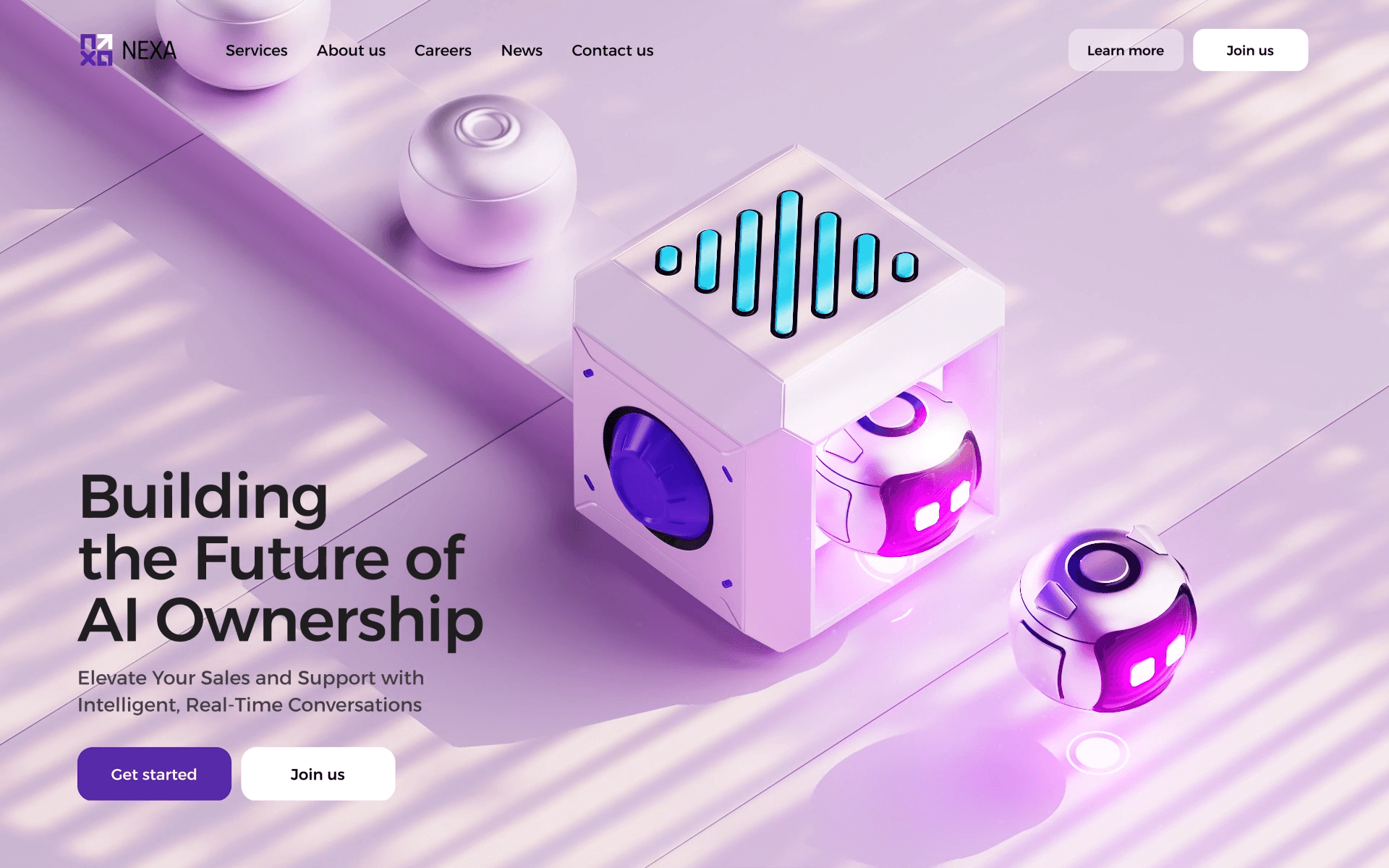
I studied the trends in the Web 3.0 sector, our main competitors, as well as major financial products. I prepared a mood board and after several joint iterations and brainstorming sessions with the design team, we chose a new style.
Why did we
not start
making 3D?
Live products differ from concepts towards functionality. We were fascinated by 3D aesthetics.
It created a sense of enigmatic technology, but the deadlines did't allow hiring a studio or designer to create complex visuals, so we used flat design, as it allowed us to work quickly and not overload the visual language!
Revolut
Coinbase
OKX
Nexo
Identity 2.0
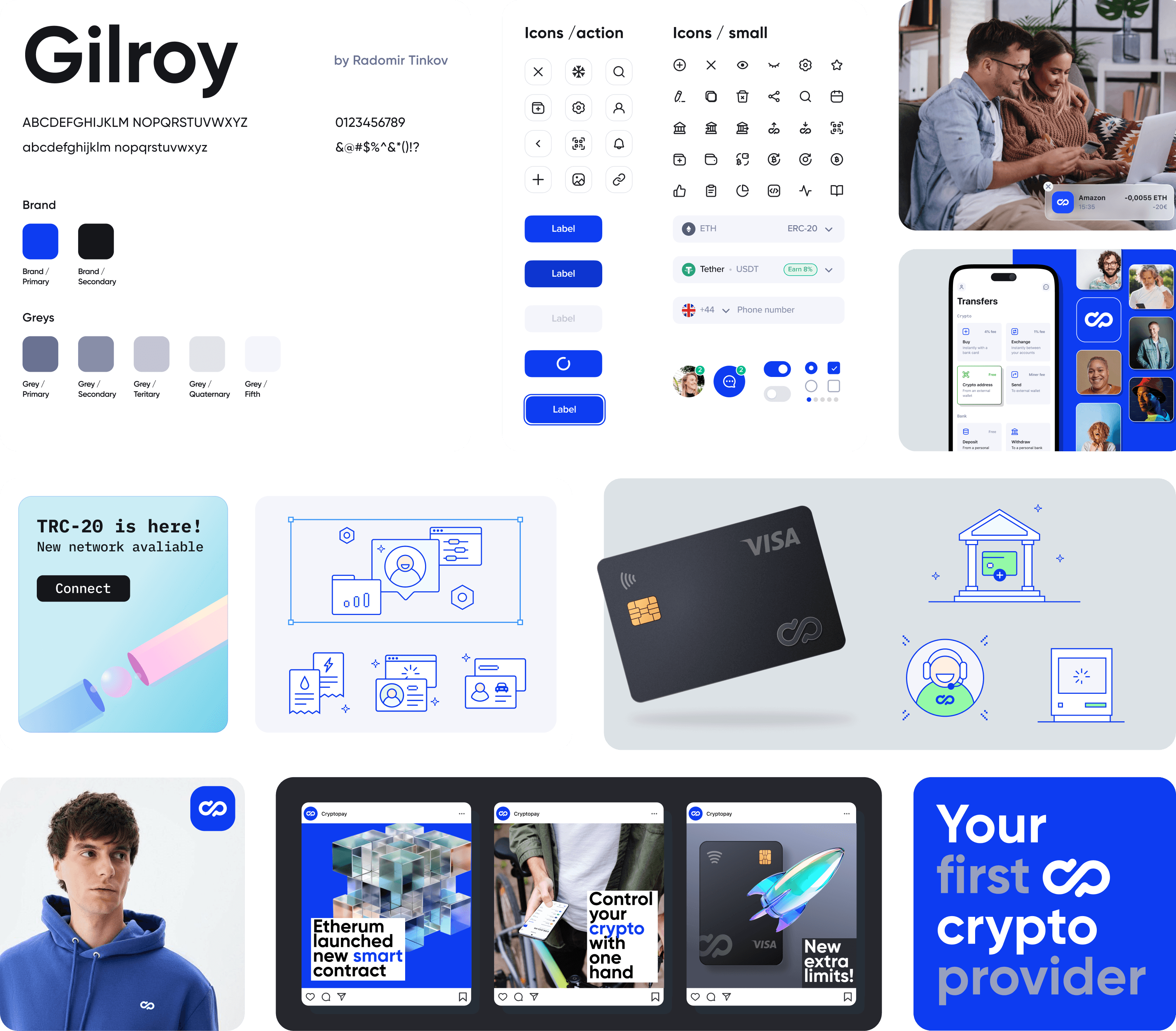
Gilroy was chosen as the primary typeface for the website and promotional materials — bold, poster-like, and approachable, while remaining distinctly professional.
The brand palette is led by a vibrant blue as the core product and customer-facing color, balanced by a strict black to anchor the business side of the brand.
The blue vibrance is a reference to Web 1.0. The era of web brutalism with characteristic features of the aesthetics of blue screens. The moment of the birth and formation of the internet and the first graphic interfaces.
Right now, the visual language of Web3 is taking shape before our eyes. Through this metaphor, we express continuity making blockchain’s once “geeky” technology accessible to everyone by lowering the entry barrier and simplifying the experience.
Sexy layout
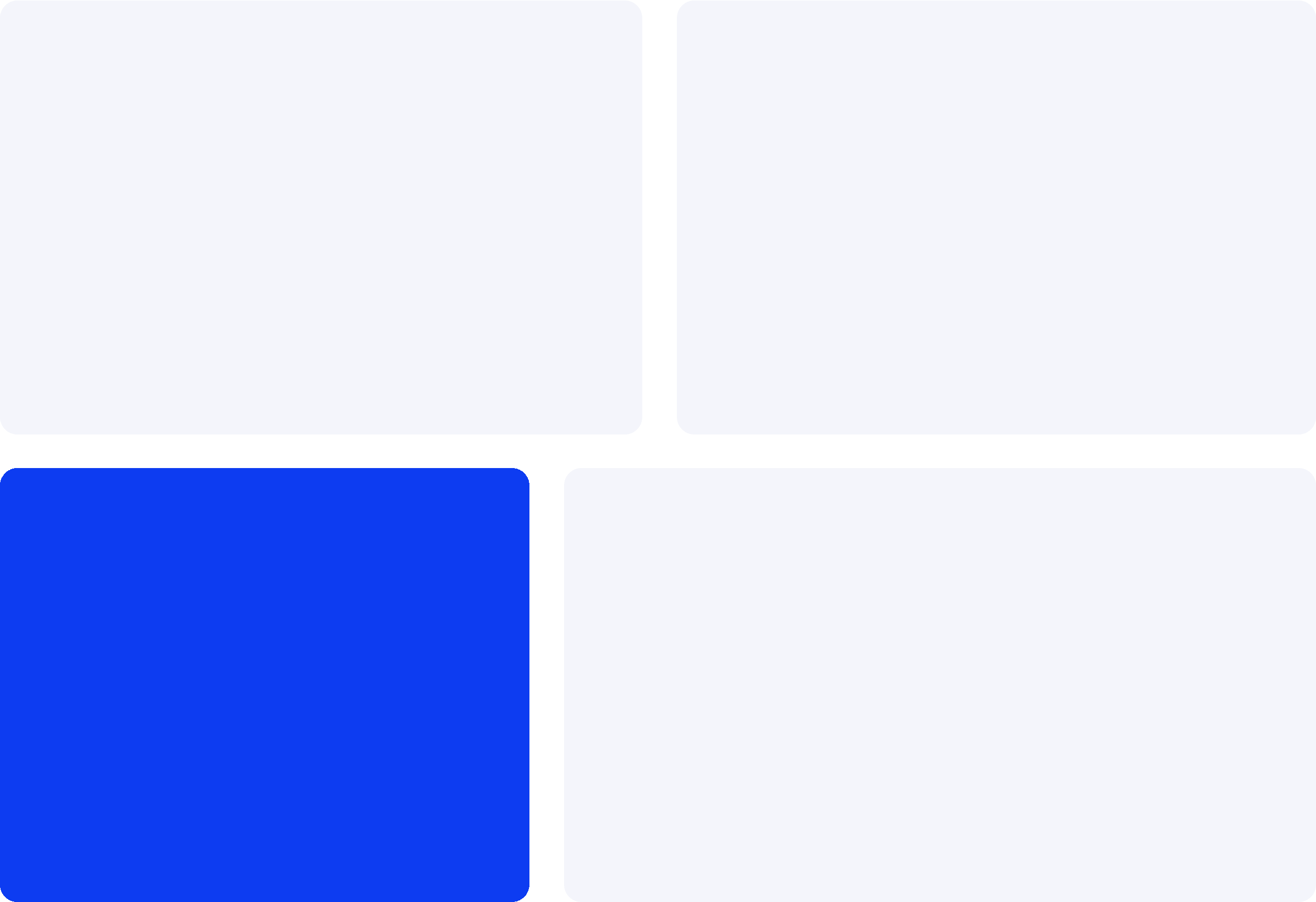
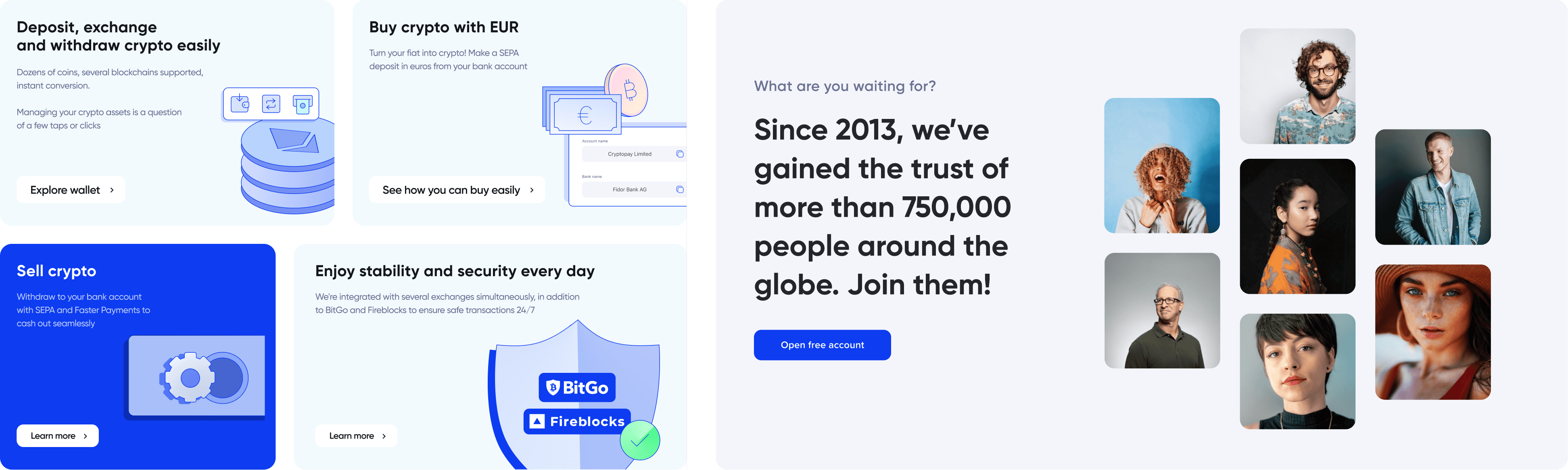
The bento-inspired grid brings dynamic rhythm and modular flexibility enabling rapid experimentation with content and hypotheses.
Click
Design system
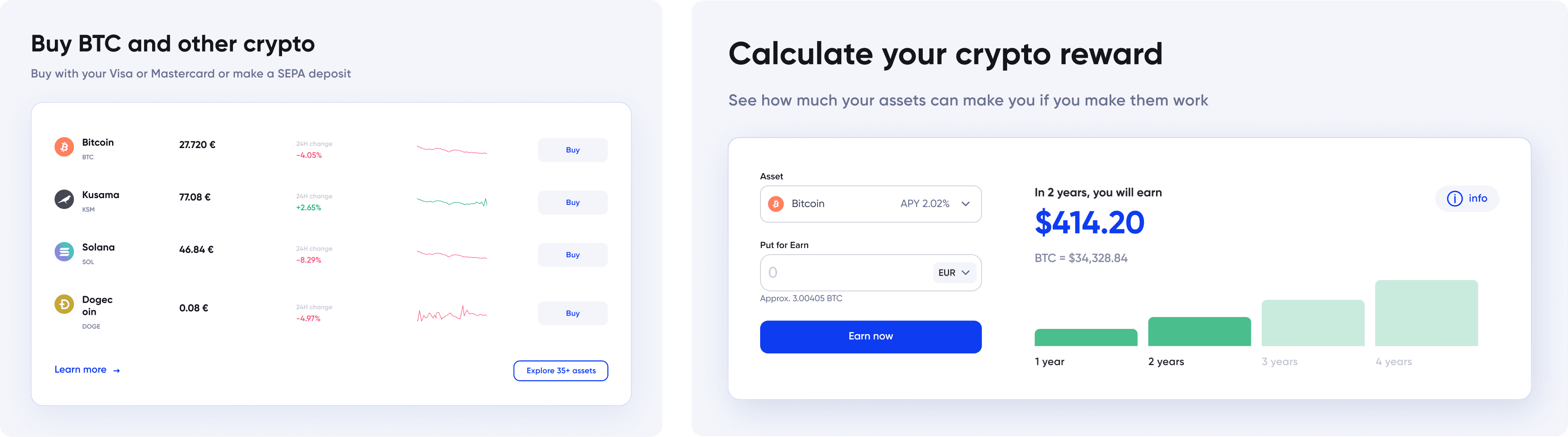
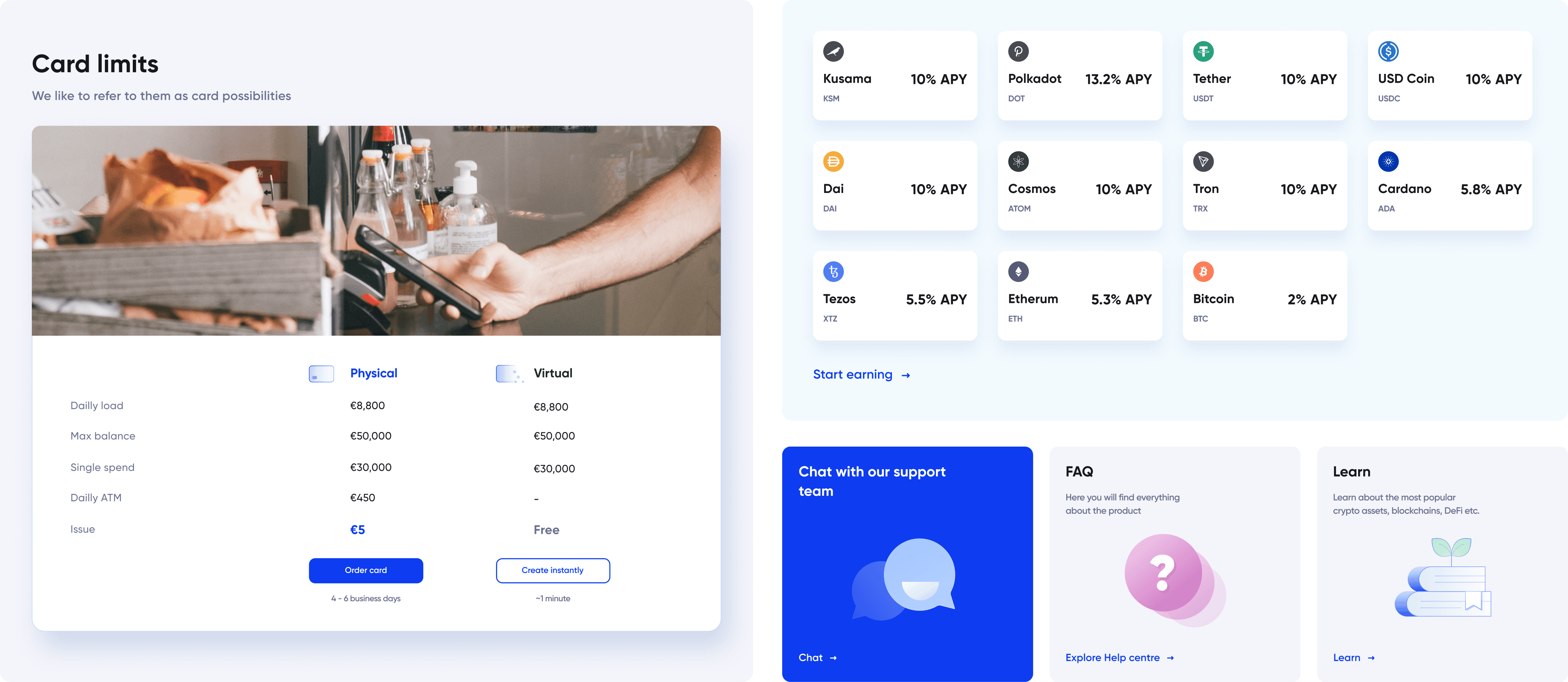
In addition to the core UI kit, we built a flexible system of product widgets and content blocks. Modularity ensures quick integration, effortless content packaging, and continuous experimentation with product hypotheses.
A dedicated guide for product managers and marketers helped align teams around a unified product system, significantly strengthening the overall product approach across the company.
Mobile
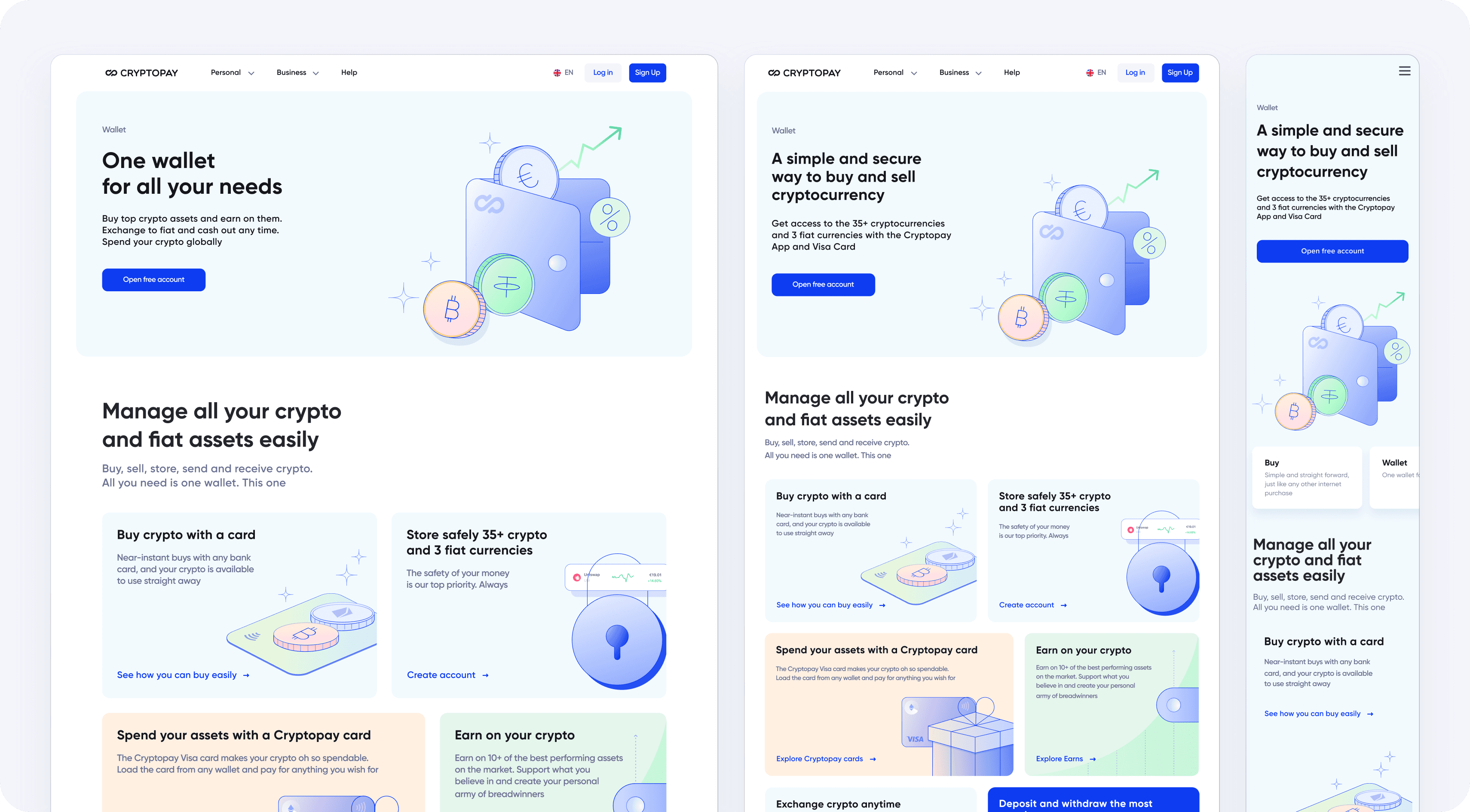
Our process started from the frontend and flowed into the backend design first, integration second. This approach unlocked parallel work across product layers, making development faster, cleaner, and more scalable.
We leveraged CSS Grid for layouting, enabling precise control over content sizing and positioning.
This approach also makes it easy to adapt the layout across breakpoints, ensuring a seamless experience on different devices.
Начать
In 2.0
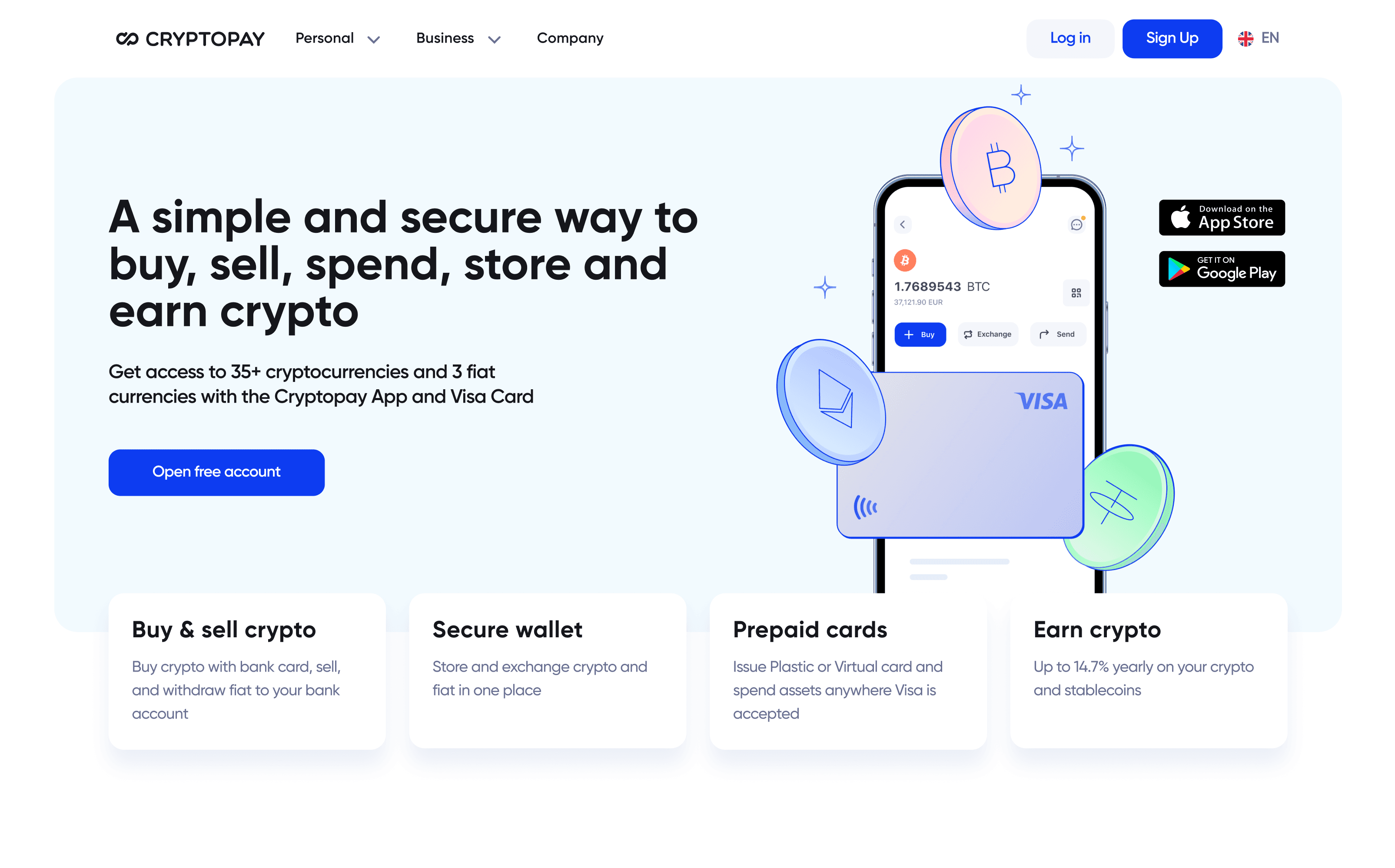
In the first weeks post-launch, the site delivered a strong uplift in registration conversion +11% within two weeks.
Payment v 2.0
TO BE
Decision
01
On every page, the metric for page view duration has significantly increased: Main +21%, Card +15%, Earn +8%, Buying crypto +9%
02
We have implemented a convenient design system with flexible content management capabilities; in the future, this will reduce the cost of releases and testing. TTM -37%
03
A month later, the blog was launched. Two months after the launch, we saw a
14% increase in organic SEO traffic from search engines!
04
During the process of creating the website, I also gathered an MVP brand book, which addressed many pain points in marketing, and also became a channel for conveying the new design within the company
05
The main insight: the new site showed a very good conversion in HR, coincidentally, after the launch, active hiring began, and all new team members noted that they were attracted by including the site's design.
Goals
Conversion to registration: +34%
Other metrics
Average time on page: +17%
SEO: +12%
TTM: -37%
Goals
The website delivered strong results almost immediately, with increased registration conversion, deeper user engagement, and longer average session duration. Building on the same design system, we later launched a Business landing page and
a blog. Ongoing site development was subsequently managed by the marketing team.
Goals
Conversion
to registration
+34%
Customer
Conversion
to registration
+23%
Business
TTM
-37%
Conclusions
This case highlighted the importance of leveraging frameworks and tailoring them to the product’s needs, ensuring timely delivery of a high-quality product to the market.